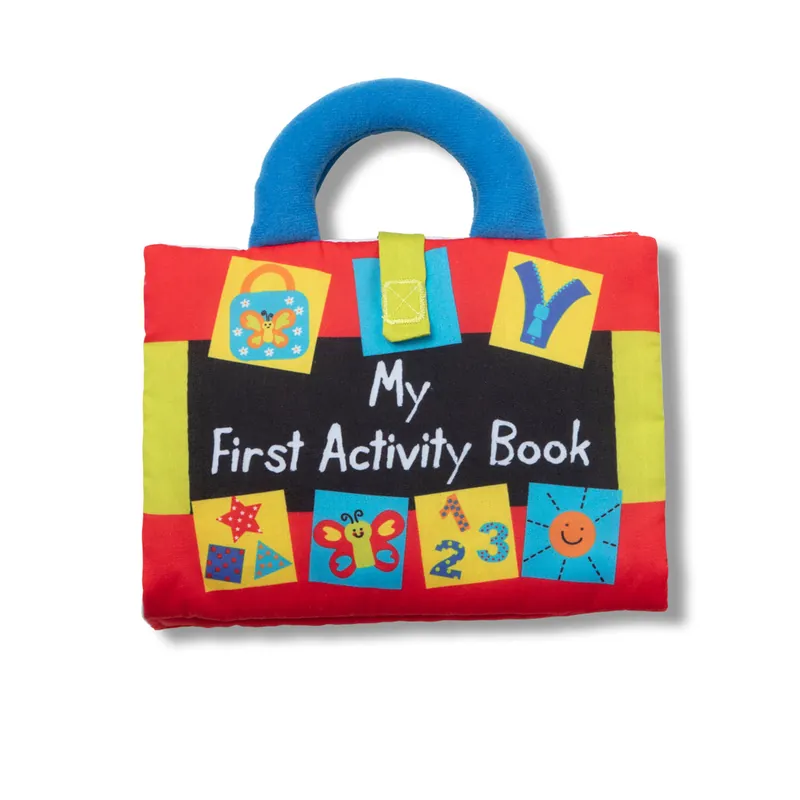
K's Kids My First Activity Book (cloth)
A soft activity book with textures and flaps is the quiet baby distraction for church and flights.
Honest drawback: It gets grubby. Wash it gently.
Home βΊ Playroom
An intentional playroom is mostly about subtraction: fewer toys out, low open shelves, a reading corner, a place to move, and everything anchored. Kids play longer and deeper with less in front of them (Dauch et al. 2018).
Keep 8β12 toys out. Box the rest. Swap every 1β2 weeks.
Low shelves and front-facing books. Kids choose what they can see.
Every shelf and dresser, every time. It's the law for new dressers (STURDY Act), and it's common sense for everything else.
A soft activity book with textures and flaps is the quiet baby distraction for church and flights.
Honest drawback: It gets grubby. Wash it gently.
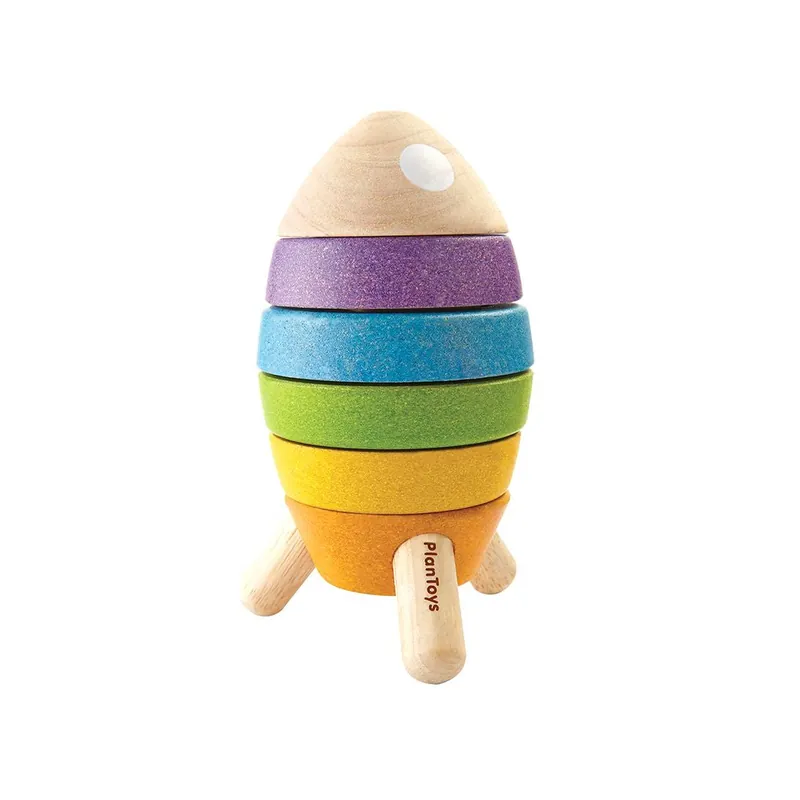
A stacker that becomes a pretend rocket, which is a nice crossover from baby puzzle to toddler story.
Honest drawback: Single-purpose once kids are past stacking.
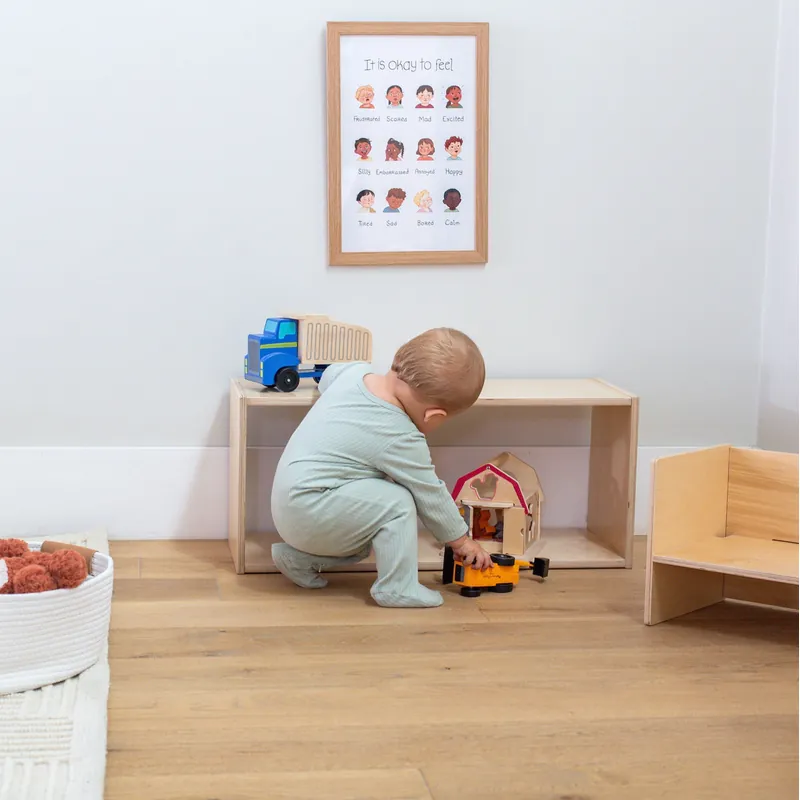
A low shelf at baby height, with three toys on it, is how Montessori families do "less, better." Babies crawl over and choose.
Honest drawback: Low shelves mean everything on them is fair game, so only mouth-safe items go there.
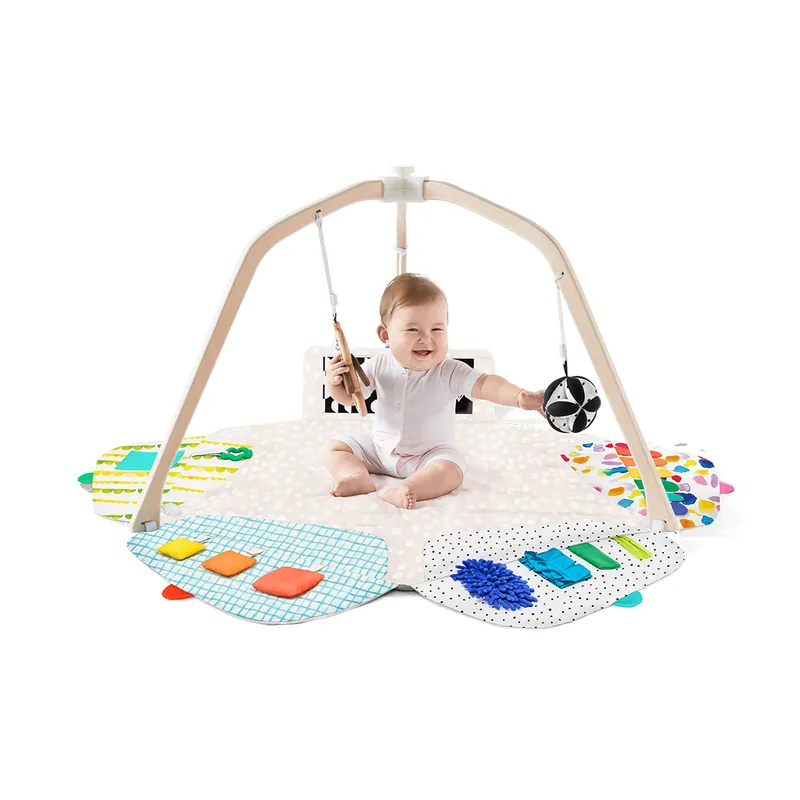
A play gym designed around stages of baby vision and grasp. It's the most-gifted baby-shower item for screen-free families, and for good reason.
What real parents say: BabyGearLab ranked it first of 8 baby gyms they bought and tested. Sources
Honest drawback: Takes up a chunk of floor and costs more than basic gyms.
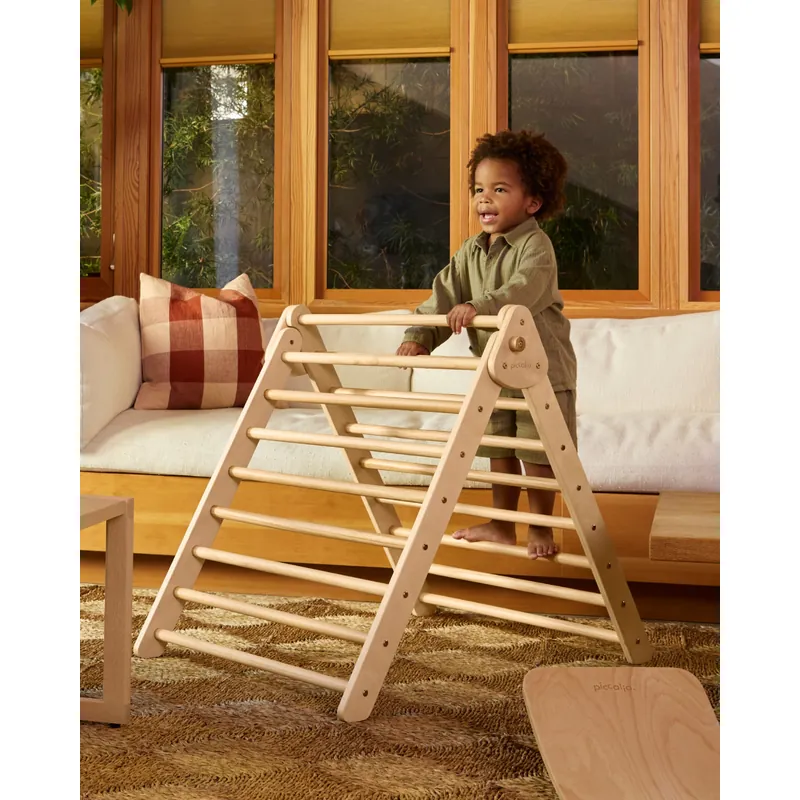
An indoor climbing frame based on Dr. Emmi Pikler's approach: babies learn their own limits by climbing exactly as high as they're ready to. This is risky play, done carefully, in the living room.
What real parents say: A pediatric physical therapist, writing about Pikler triangles in general, says they're great for climbing, motor planning and confidence. Sources
Honest drawback: Takes floor space and a commitment to "spot, don't lift." Pricey.
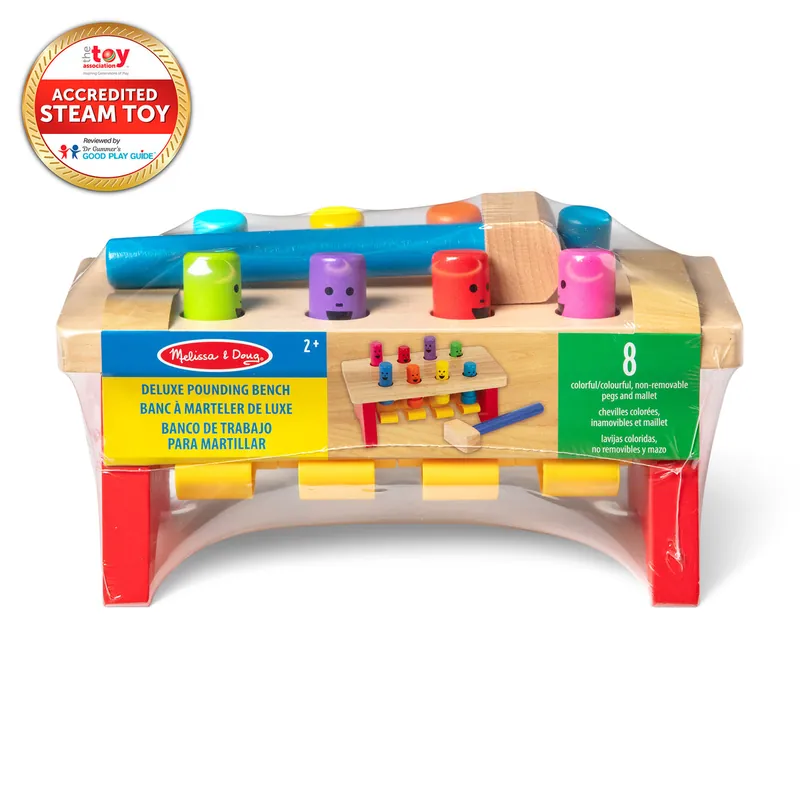
A toddler with a mallet and a sanctioned target. It's pure, joyful cause and effect, with no batteries required.
Honest drawback: Loud, and that's the point. Not for nap time.
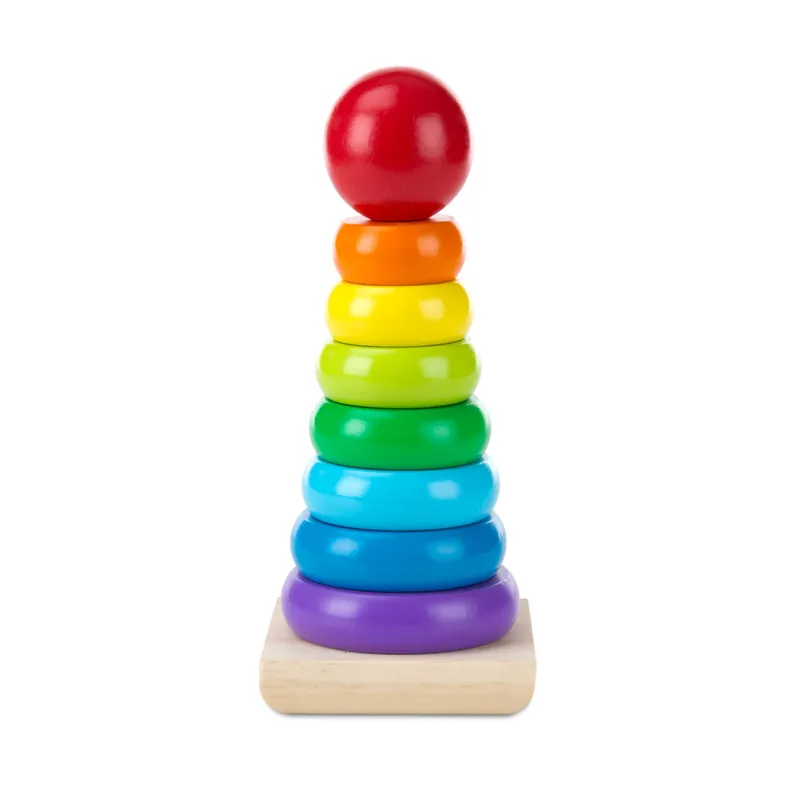
The classic first stacker at a gentle price. It's simple enough that babies do it themselves, which is the whole point.
Honest drawback: Babies outgrow it within a year or so.
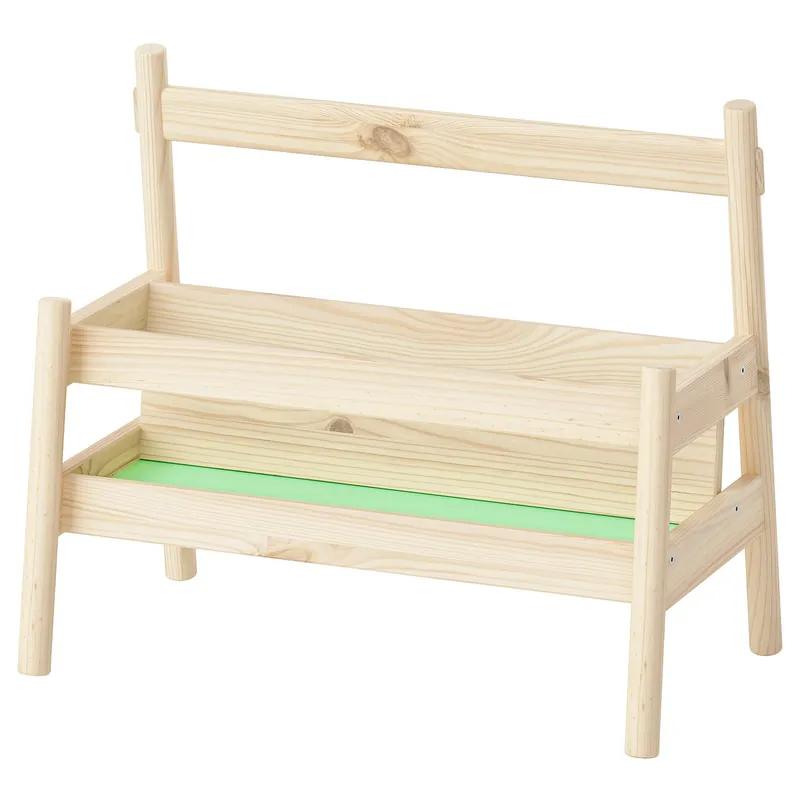
Covers facing out means toddlers choose books themselves, the simplest literacy upgrade in the house. Solid pine at a budget price.
Honest drawback: Max load 22 lb per IKEA, so it's a display, not a library.
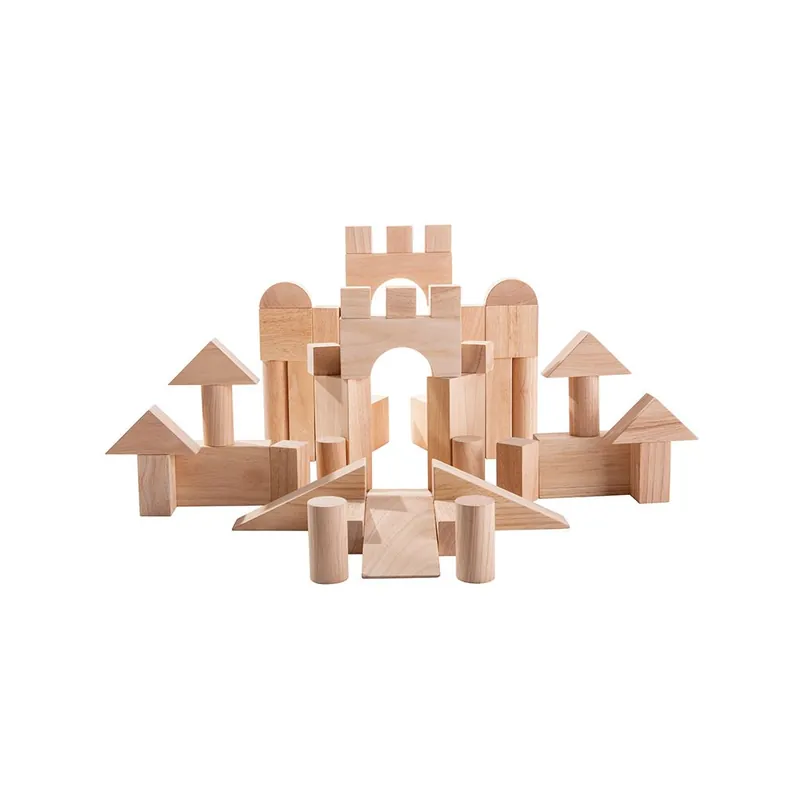
Proper unit blocks, the kind every good preschool classroom has, made from reclaimed rubberwood. PlanToys says they use formaldehyde-free glue and water-based dyes.
Honest drawback: Fifty blocks is a starter set. Classrooms use hundreds.
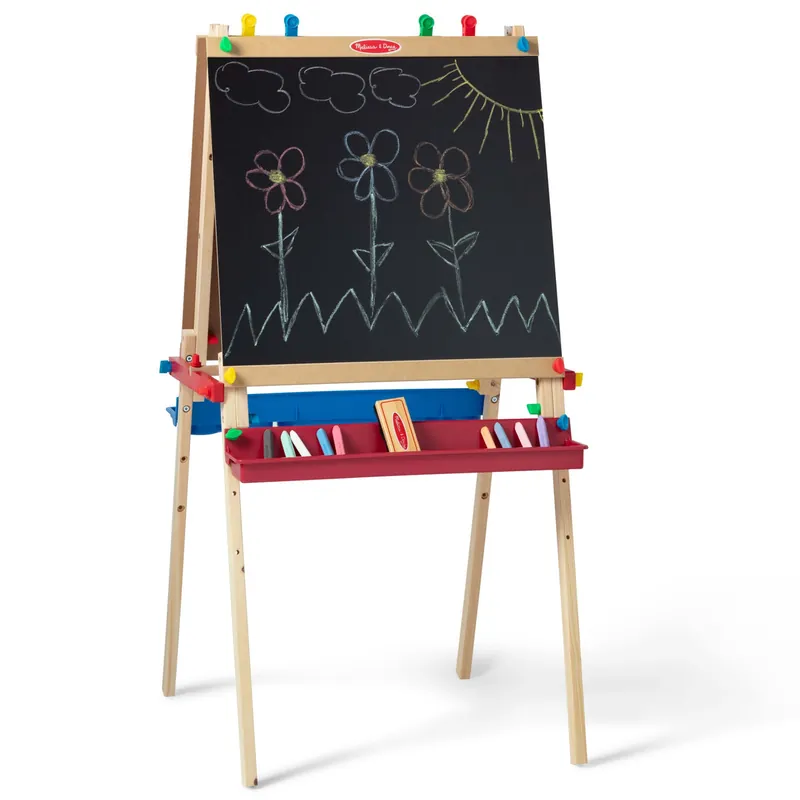
A real easel with paper roll, chalkboard and dry-erase. The tall format gets kids standing and painting big, which is a different (and better) experience than coloring at a table.
Honest drawback: Bulky, and paint happens. Put a drop cloth under it.
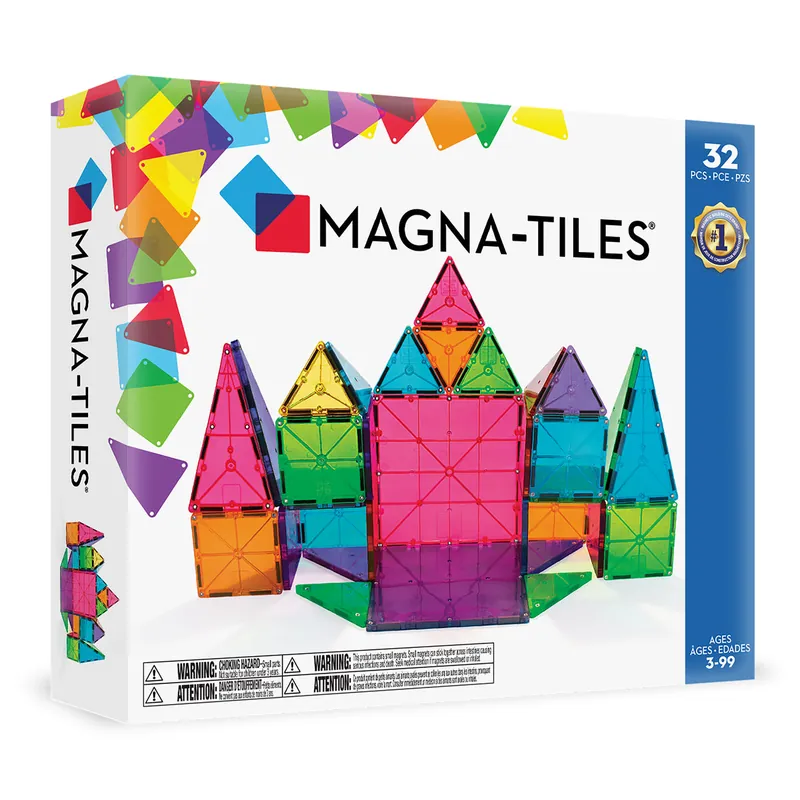
The original magnetic tile, not a knockoff, which matters with magnets. Kids build walls, houses and rocket ships on day one and are still inventing at 9. Siblings can share it without a fight because there's always another tile.
What real parents say: Wirecutter's former baby-and-kid editor says Magna-Tiles are her one answer when asked for a "holy-grail" toy, because they have about the longest play life of anything besides Lego. Sources
Honest drawback: Pricey per piece, and 32 tiles runs out fast once kids get ambitious. Most families add a second set.
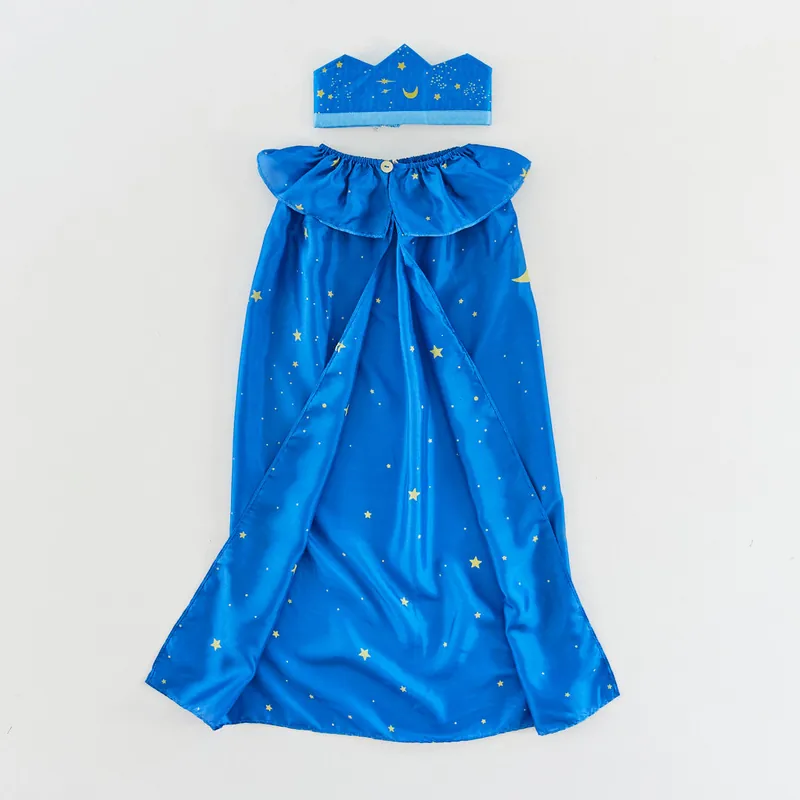
A silk cape becomes a superhero, a queen or a night sky. Open-ended dress-up that folds into a pocket and doesn't steer kids toward any one character.
Honest drawback: Silk needs a gentle wash. It's a cape, not a costume, which is the point but may disappoint a kid who wants Elsa.
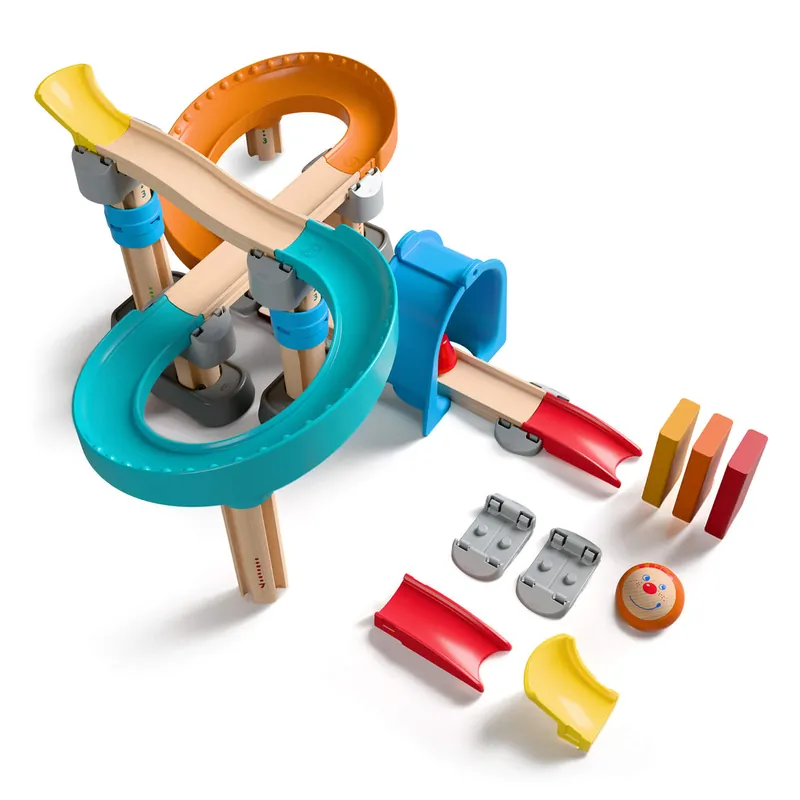
German-made marble-run thinking for toddlers. The pieces are big, so the "balls" are not choking-size, and kids learn cause and effect without batteries.
Honest drawback: Expansion sets add up, and sibling disputes about whose turn it is do happen.
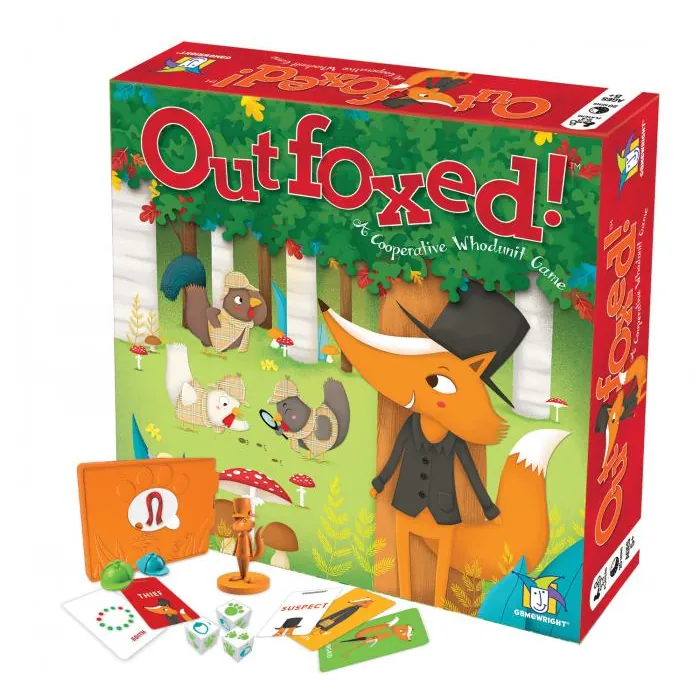
A cooperative whodunit: everyone wins or loses together. It's perfect for siblings who melt down when they lose.
Honest drawback: Requires a table and setup, so it's not a restaurant game.
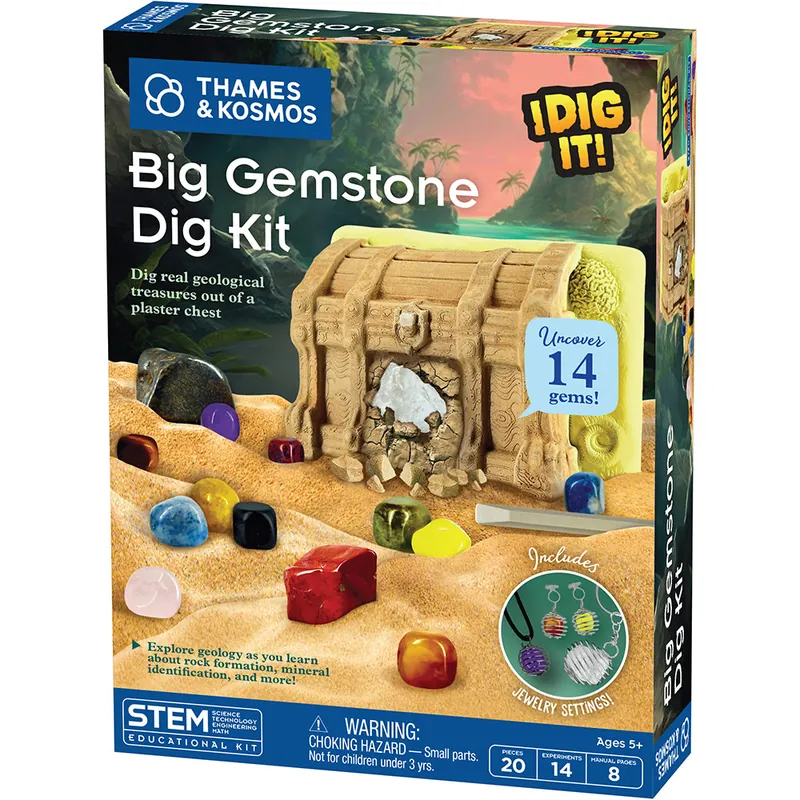
Chisel, brush and discover. An hour of absorbed, archaeologist-level focus, and it doubles as a party activity.
Honest drawback: Plaster dust gets everywhere, so do it outside or on a tray.
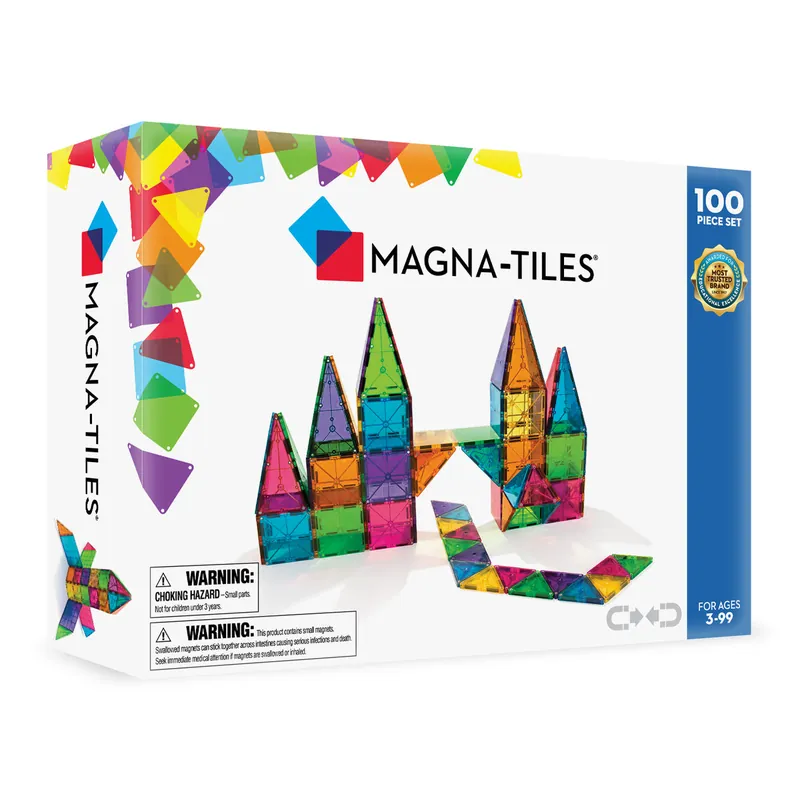
This is the "whole playroom" set. A hundred tiles is the point where kids stop building one thing and start building worlds, and it's the most-used toy in many houses for years.
What real parents say: Wirecutter's former baby-and-kid editor says Magna-Tiles are her one answer when asked for a "holy-grail" toy, because they have about the longest play life of anything besides Lego. Sources
Honest drawback: A real investment, and the tiles end up everywhere. Pair it with a bin.
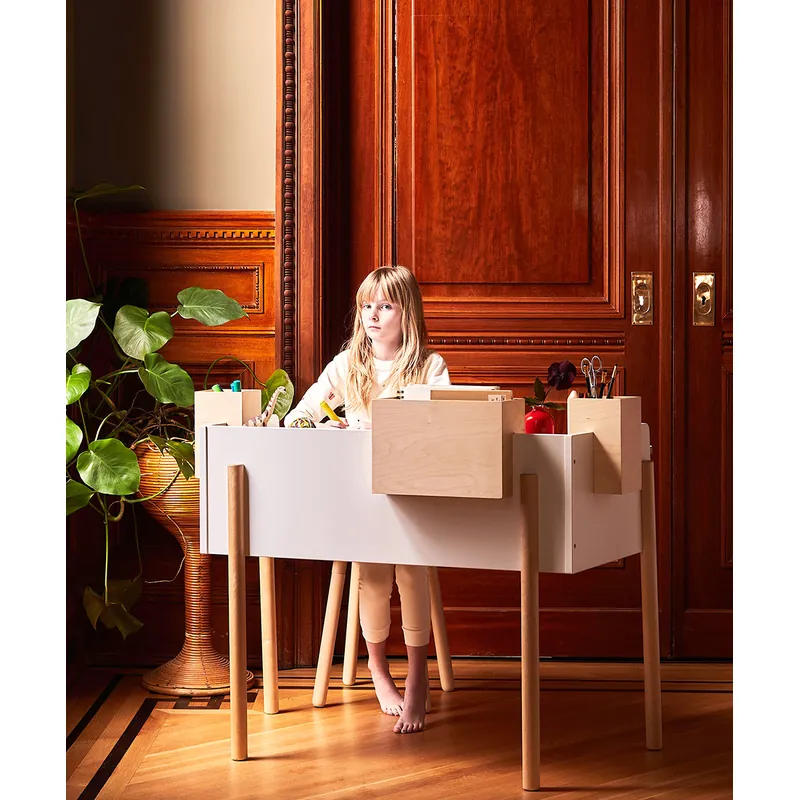
A grow-with-me desk for the real homework years. A paper-and-pencil station is your counterweight to the Chromebook.
Honest drawback: Splurge.
You can build a great playroom for well under $200:
We link to makers directly. Some links may be affiliate links in future, and if so we may earn a commission at no cost to you. How we make money.