Real kitchen jobs
Free / DIYAges 2–12 yrs
Free
Real work builds real confidence. Kids who cook try more foods.
Home › By age › Toddlers (1–2)
Toddlers want to do it myself. Give them real jobs, things to push and climb, and toys where they make the sound. WHO guidance is still no sedentary screen time for 1-year-olds, and at 2, no more than an hour.
No screens, or the occasional shared video call. WHO: none for 1-year-olds, and no more than 1 hour at 2.
Based on AAP 2026 policy statement and WHO 2019. Adjust it for your family. Make your printable plan →
Real work builds real confidence. Kids who cook try more foods.
A free Pikler triangle.
Real science for 3-year-olds.
Shared reading is one of the best-supported habits in child development research (see The case).
Peels off cleanly, so it works on planes, windows and car-seat trays.
No supplies, no noise beyond giggles.
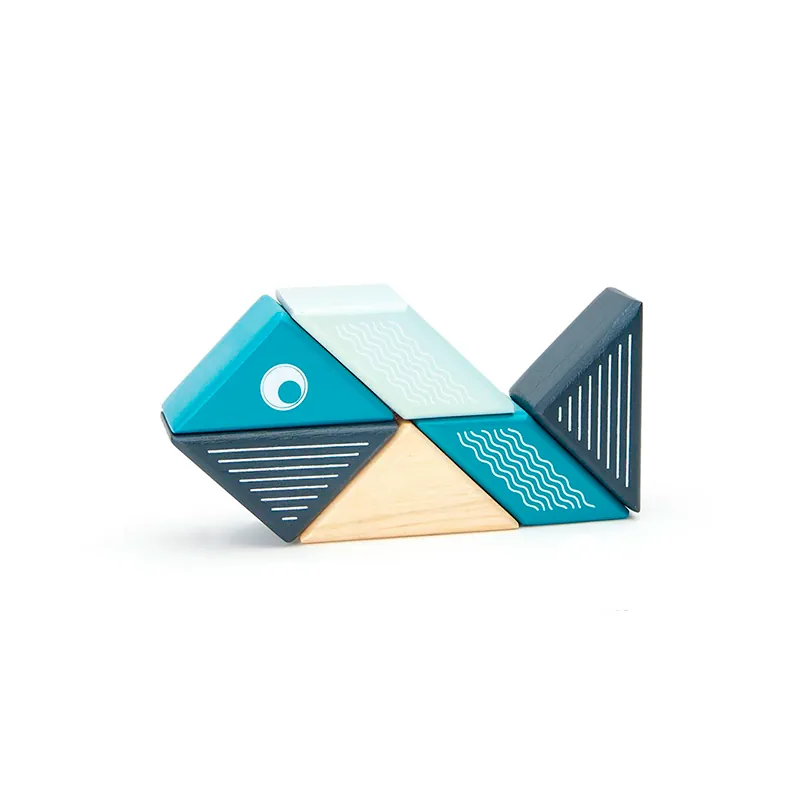
Six chunky magnetic wood pieces that stick to each other and to tray tables. It's the most quietly brilliant restaurant toy we know: no rolling away, no noise, and no small loose magnets.
What real parents say: One family reviewer reports almost ten years of playing, chewing and crashing on Tegu magnetic blocks. Sources
Honest drawback: Six pieces is a short game for older kids. It shines for ages 1–4.
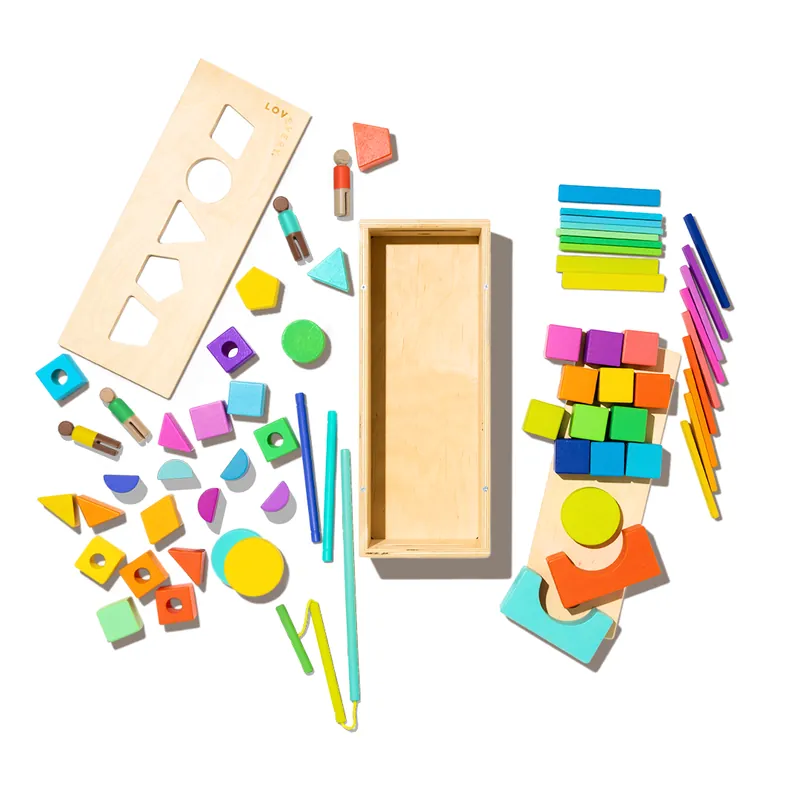
Seventy pieces with 20+ activities designed by a team of child development experts. Toddlers get easy wins, and it grows into real engineering with ramps, arches and pegs.
Honest drawback: Premium price for blocks, so you're paying for the design and the activity guide.
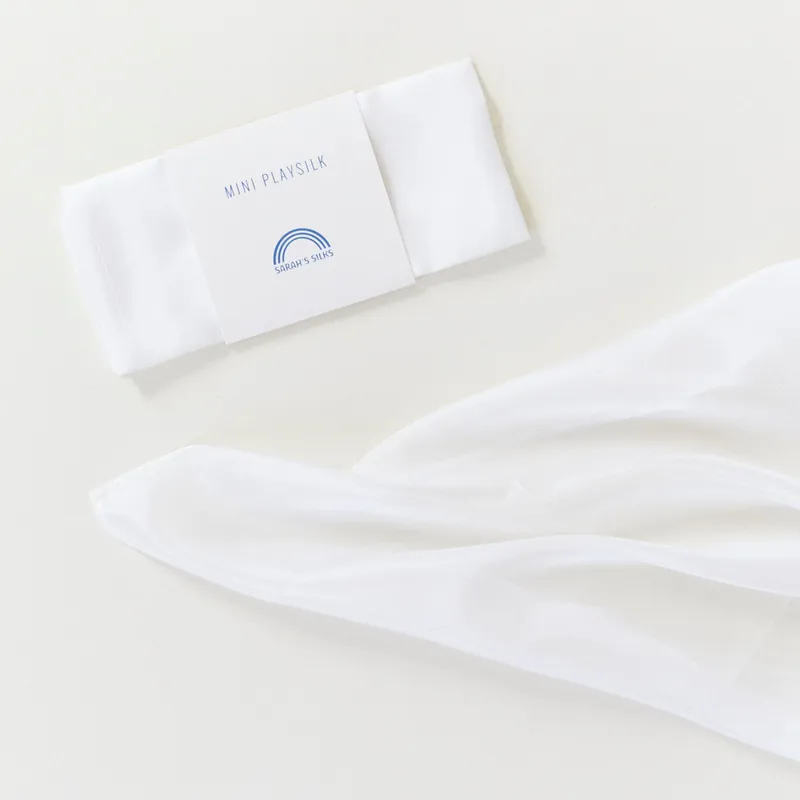
The most underrated travel item there is. Peekaboo for babies, a tablecloth picnic for toddlers, a magic trick for 5-year-olds, and it weighs nothing.
Honest drawback: They're white, so they get loved and dirty fast. Toss them in a lingerie bag to wash.
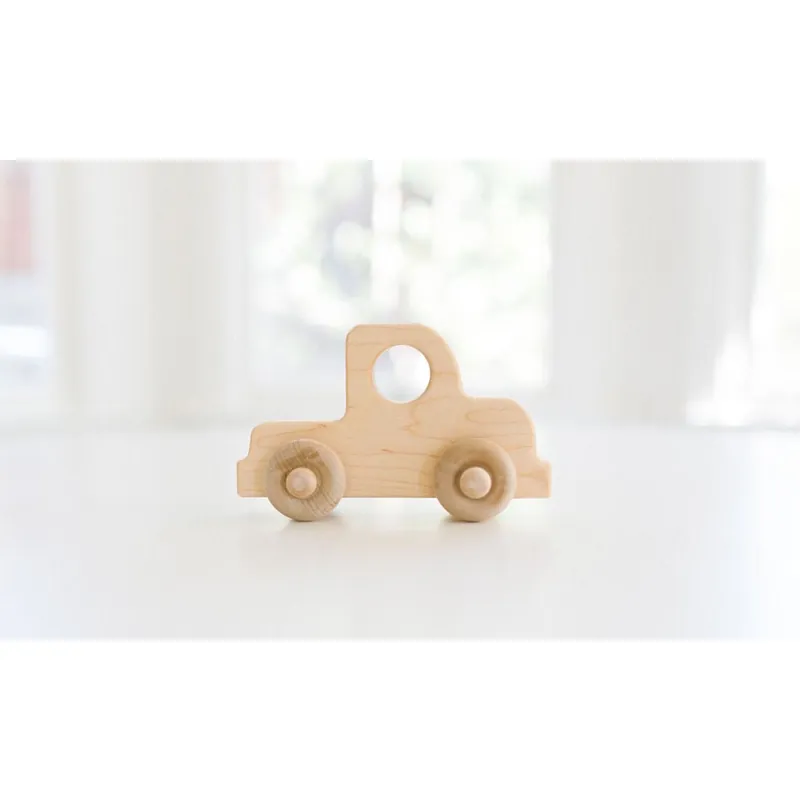
Handmade in the USA from hardwood with an oil finish, by a small family shop. A truck that will be pushed around by two generations.
Honest drawback: Simple by design, with no moving parts beyond the wheels.
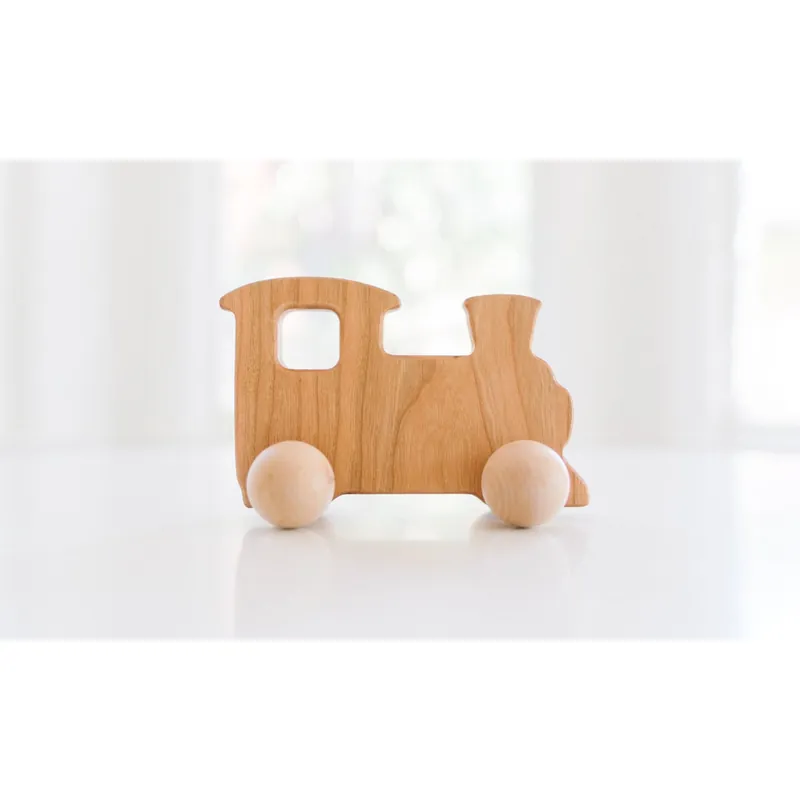
Cherry hardwood that darkens beautifully with age. It's the first-birthday gift that ends up on a shelf as a keepsake.
Honest drawback: It costs more than a plastic train, and it's supposed to.
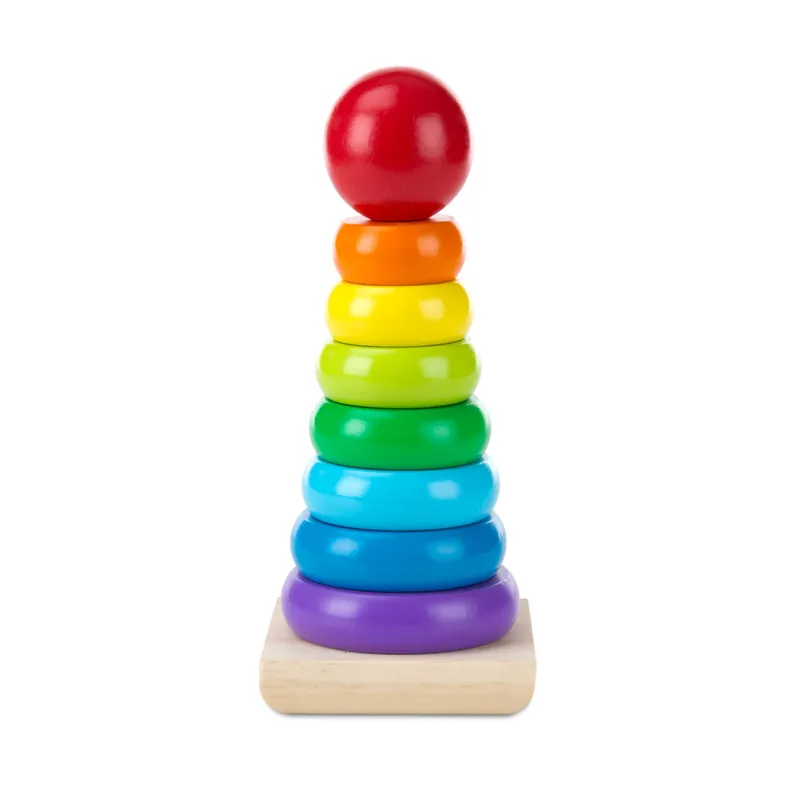
The classic first stacker at a gentle price. It's simple enough that babies do it themselves, which is the whole point.
Honest drawback: Babies outgrow it within a year or so.
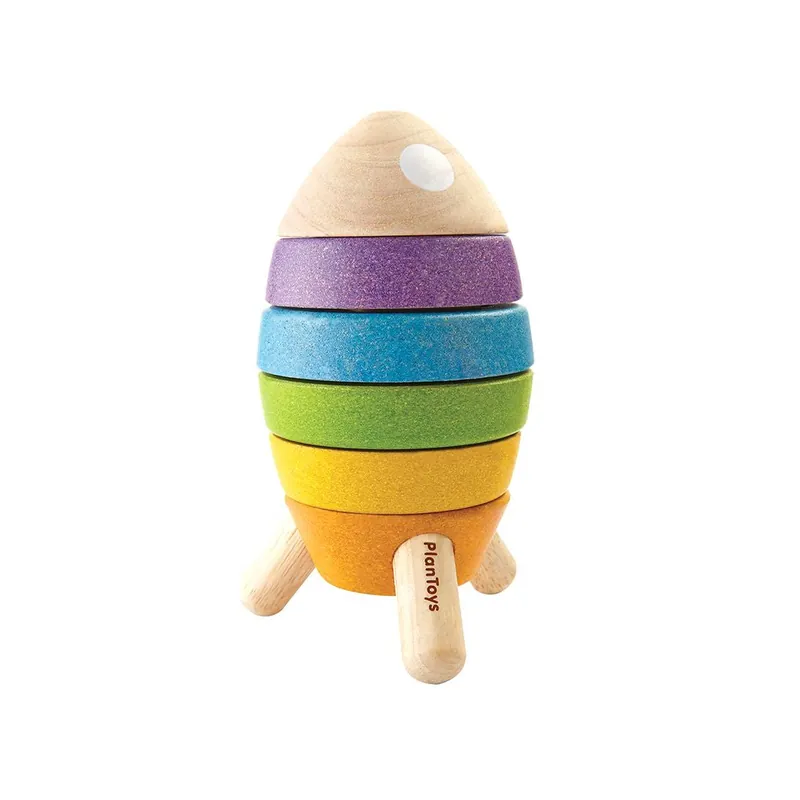
A stacker that becomes a pretend rocket, which is a nice crossover from baby puzzle to toddler story.
Honest drawback: Single-purpose once kids are past stacking.
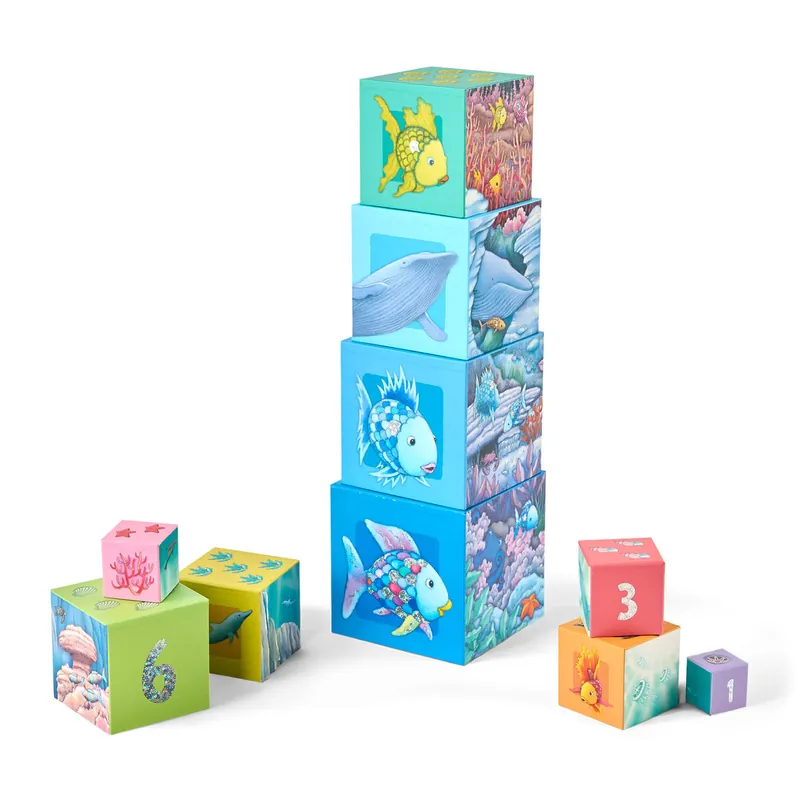
Nesting cups starring the Rainbow Fish book. Stack, nest, scoop in the bath, then read the story.
Honest drawback: Cardboard-type nesting cubes don't love water, so check the material before bath use.
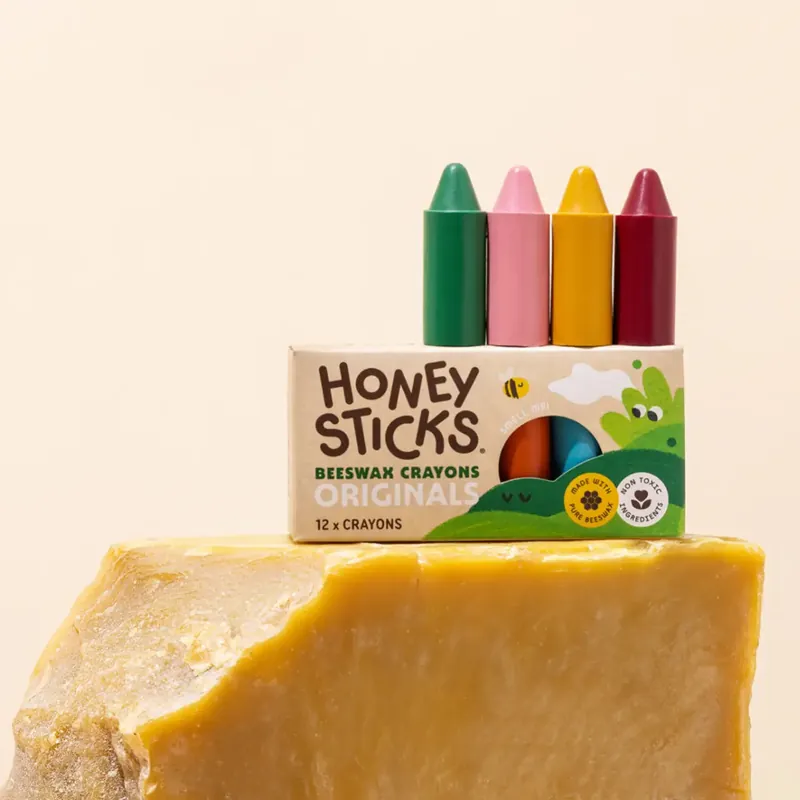
Beeswax crayons from New Zealand, designed for little fists. Honeysticks markets them as pure beeswax with food-grade pigments, which is great for the kid who still occasionally tastes a crayon.
Honest drawback: Beeswax crayons are softer and pricier than paraffin crayons.
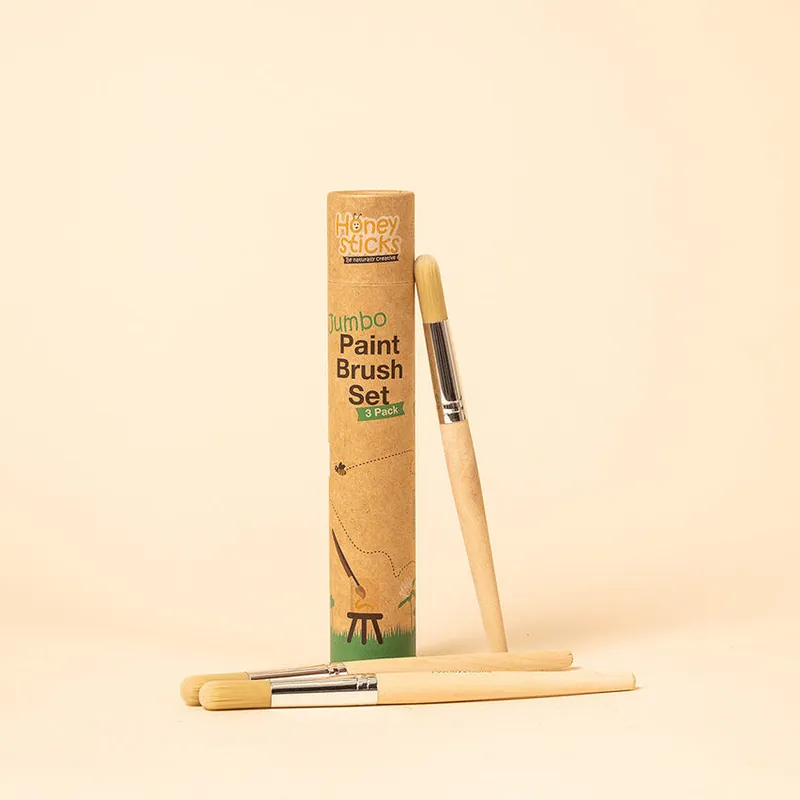
Chunky toddler-grip brushes that make first painting actually work.
Honest drawback: Just brushes. Bring your own paint.
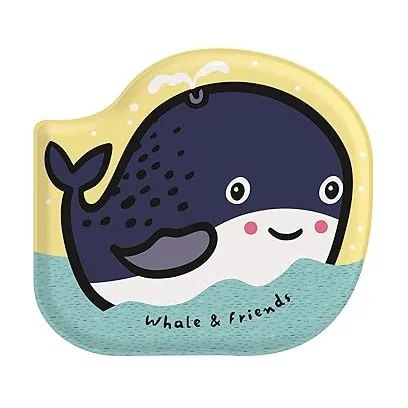
High-contrast art that babies can actually see, in a soft book that survives drool and bathwater.
Honest drawback: It's a baby book, so the window is short.
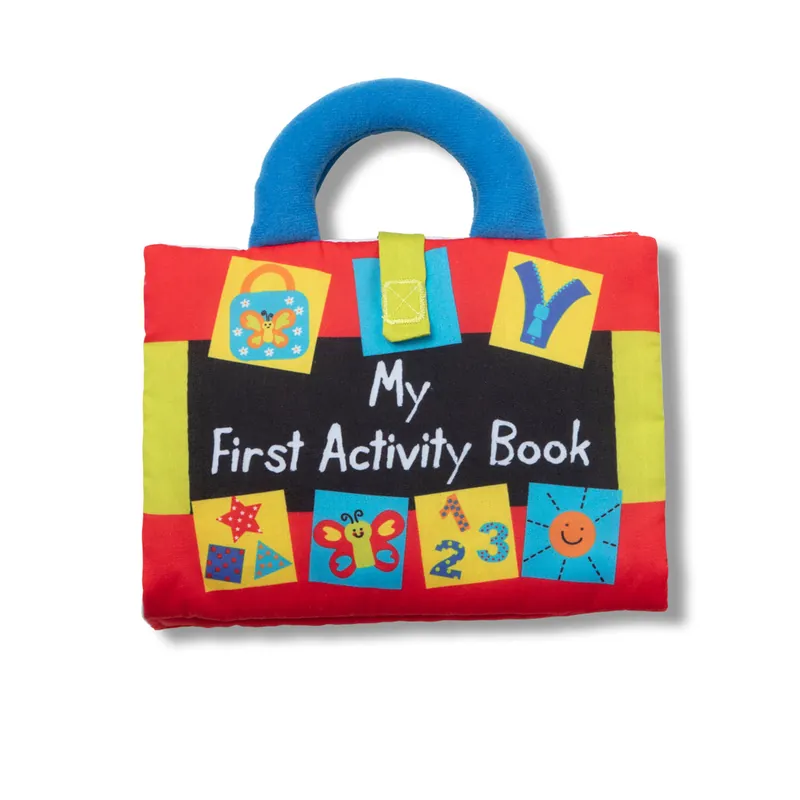
A soft activity book with textures and flaps is the quiet baby distraction for church and flights.
Honest drawback: It gets grubby. Wash it gently.
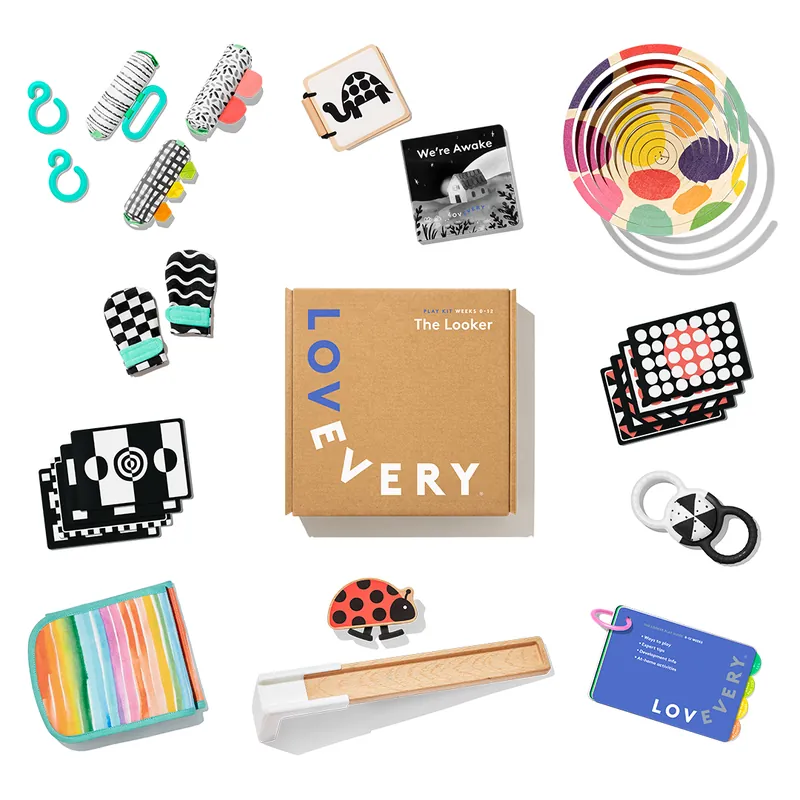
Stage-based kits designed with child development experts, arriving roughly when your child is ready. Ideal for grandparents who ask "what should we get?"
Honest drawback: Expensive over time, and not every item is a hit. Pause or cancel freely.
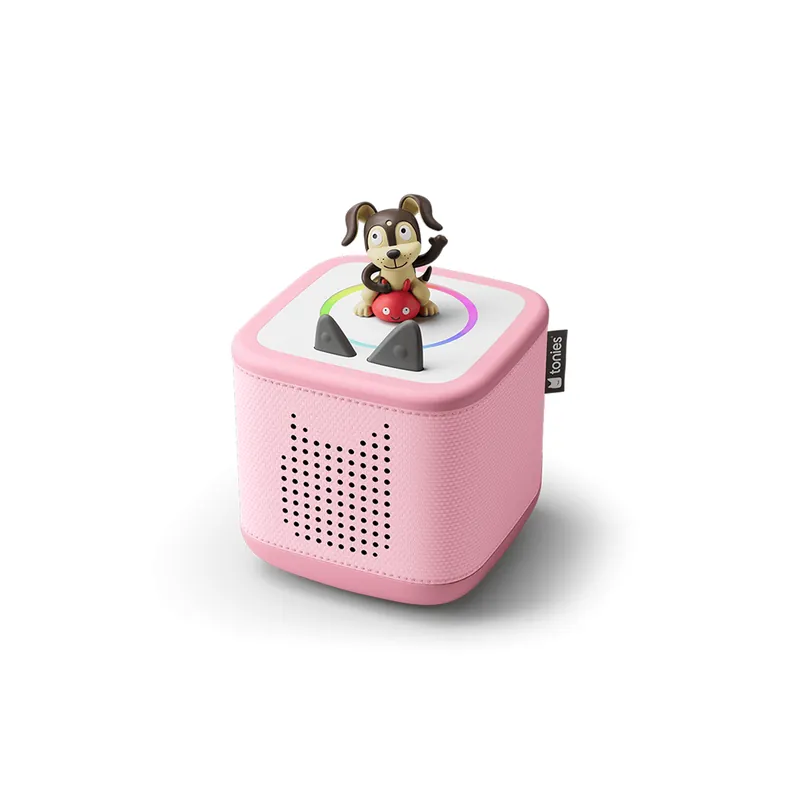
A squishy cube and figurines: set a character on top and it plays. It's the easiest player for little hands (ages 1+ per the maker), and the figures double as toys.
What real parents say: In WIRED's testing it was the easiest player for a toddler to figure out: put a figure on top and it plays. Sources
Honest drawback: Figures are pricey, and they're collectibles. Set a limit early.
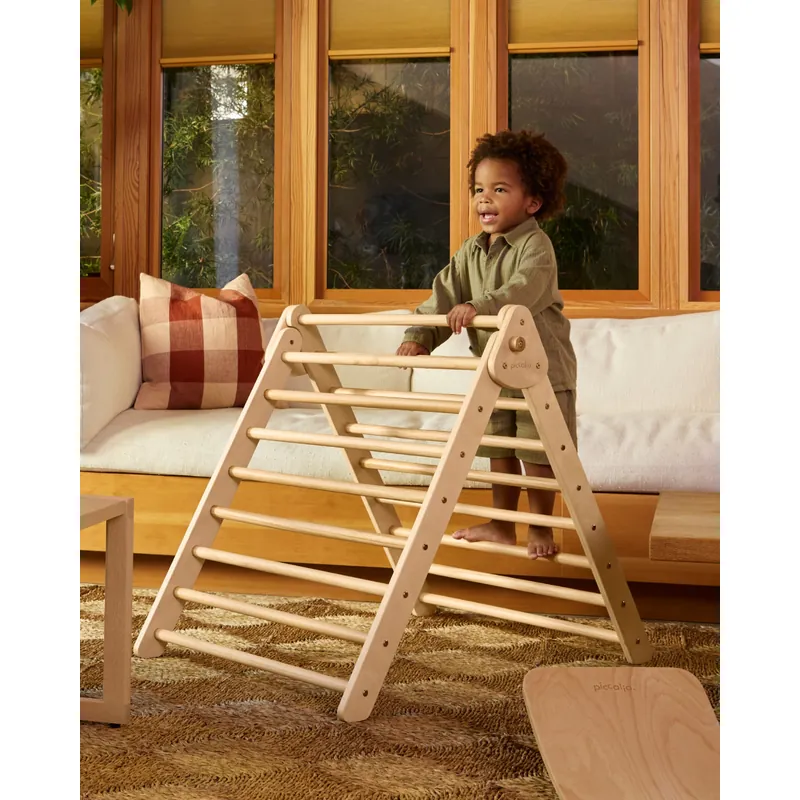
An indoor climbing frame based on Dr. Emmi Pikler's approach: babies learn their own limits by climbing exactly as high as they're ready to. This is risky play, done carefully, in the living room.
What real parents say: A pediatric physical therapist, writing about Pikler triangles in general, says they're great for climbing, motor planning and confidence. Sources
Honest drawback: Takes floor space and a commitment to "spot, don't lift." Pricey.
We link to makers directly. Some links may be affiliate links in future, and if so we may earn a commission at no cost to you. How we make money.