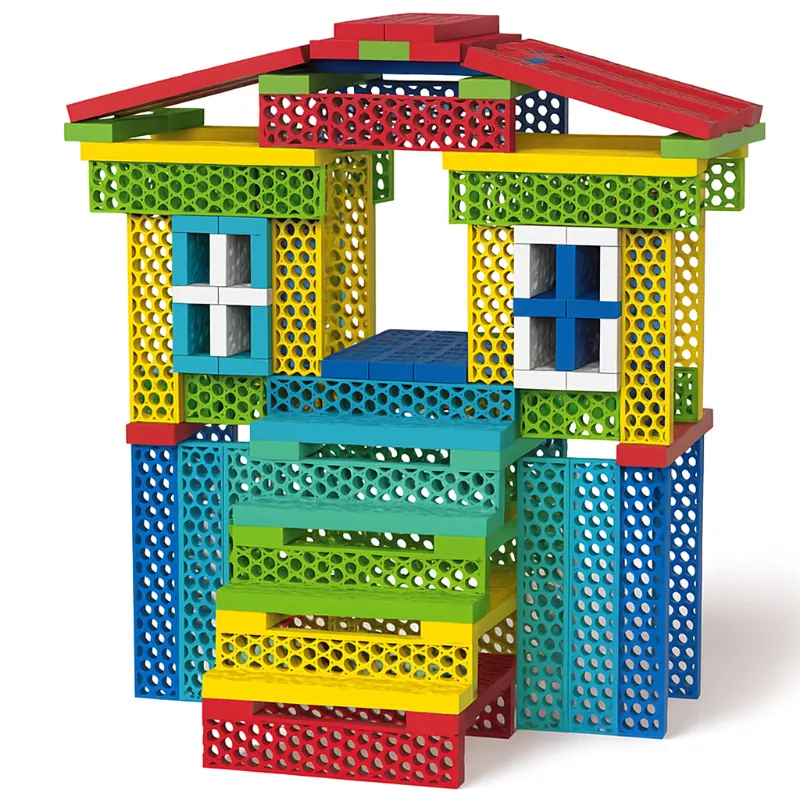
Wee Gallery Bath Book (Whale and Friends)
High-contrast art that babies can actually see, in a soft book that survives drool and bathwater.
Honest drawback: It's a baby book, so the window is short.
From first birthdays to teens. Ages are never younger than the maker's minimum.
High-contrast art that babies can actually see, in a soft book that survives drool and bathwater.
Honest drawback: It's a baby book, so the window is short.
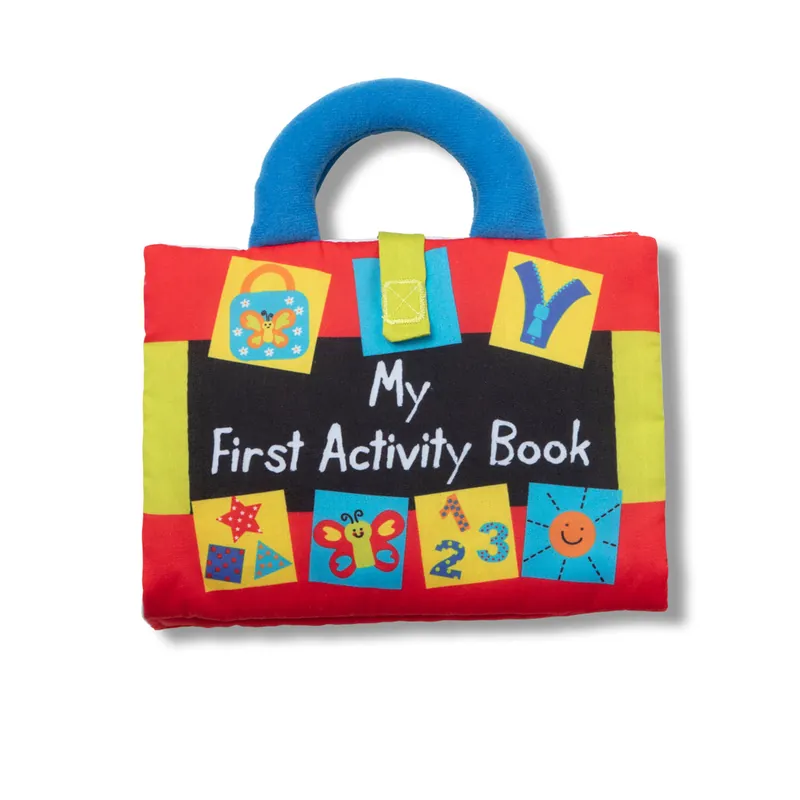
A soft activity book with textures and flaps is the quiet baby distraction for church and flights.
Honest drawback: It gets grubby. Wash it gently.
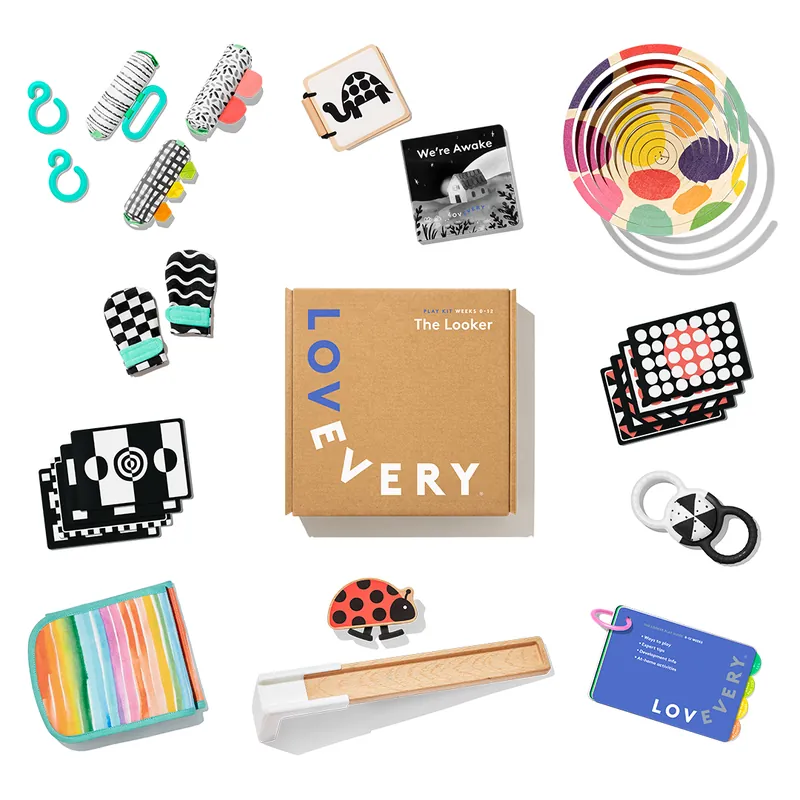
Stage-based kits designed with child development experts, arriving roughly when your child is ready. Ideal for grandparents who ask "what should we get?"
Honest drawback: Expensive over time, and not every item is a hit. Pause or cancel freely.
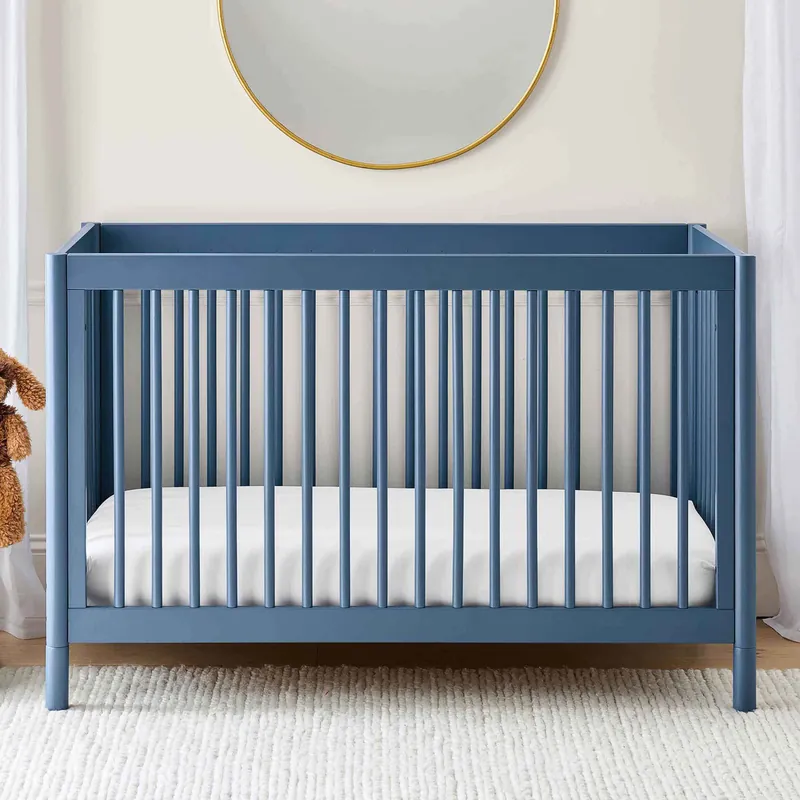
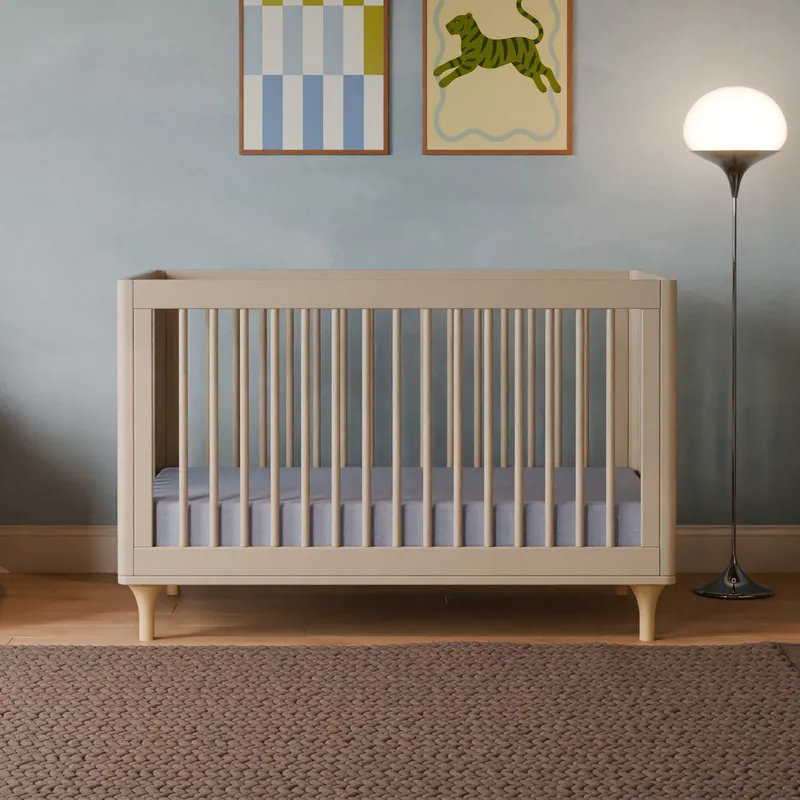
Clean mid-century lines with a toddler-bed conversion kit included. Babyletto lists GREENGUARD Gold certification on many cribs; we show only what this page states.
Honest drawback: Assembly takes an afternoon, and the toddler conversion uses the same frame, so it won't become a big-kid bed.
Two-tone wood and splayed legs, the crib on half of the most-pinned nursery boards, at a mid price.
What real parents say: BabyGearLab tested it with more than 6 mattresses. Sources
Honest drawback: Same caveat: the toddler kit stage is the end of its life.
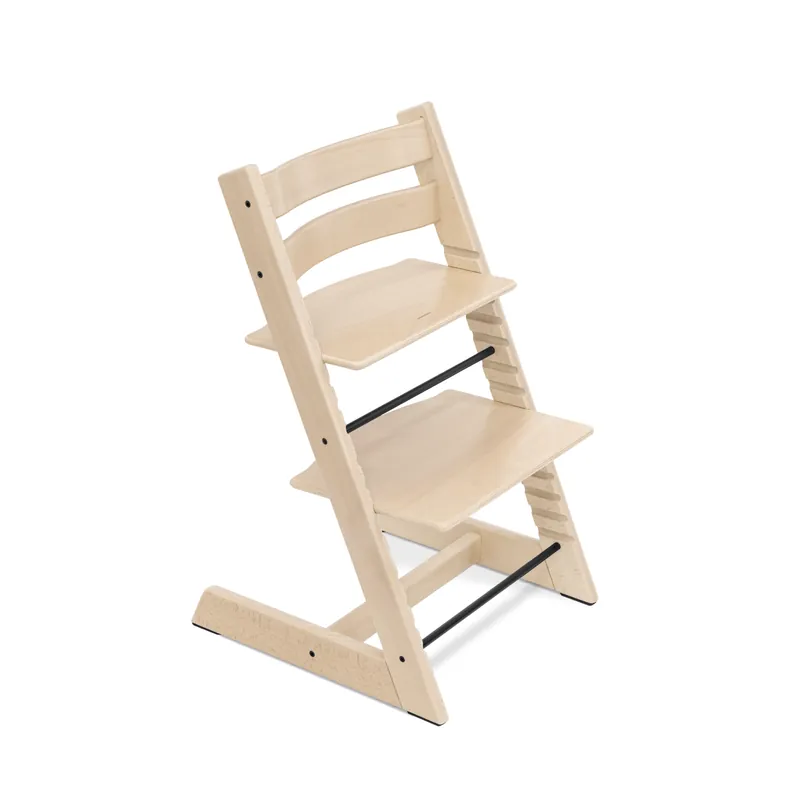
The chair that pulls a baby up to the family table, then adjusts for years. Children who eat with you, talk with you.
What real parents say: Wirecutter's upgrade pick: it truly grows with a child and is easy for preschoolers to climb into themselves. Sources
Honest drawback: Splurge, and accessories (baby set, tray) cost extra.
Six chunky magnetic wood pieces that stick to each other and to tray tables. It's the most quietly brilliant restaurant toy we know: no rolling away, no noise, and no small loose magnets.
What real parents say: One family reviewer reports almost ten years of playing, chewing and crashing on Tegu magnetic blocks. Sources
Honest drawback: Six pieces is a short game for older kids. It shines for ages 1β4.
Seventy pieces with 20+ activities designed by a team of child development experts. Toddlers get easy wins, and it grows into real engineering with ramps, arches and pegs.
Honest drawback: Premium price for blocks, so you're paying for the design and the activity guide.
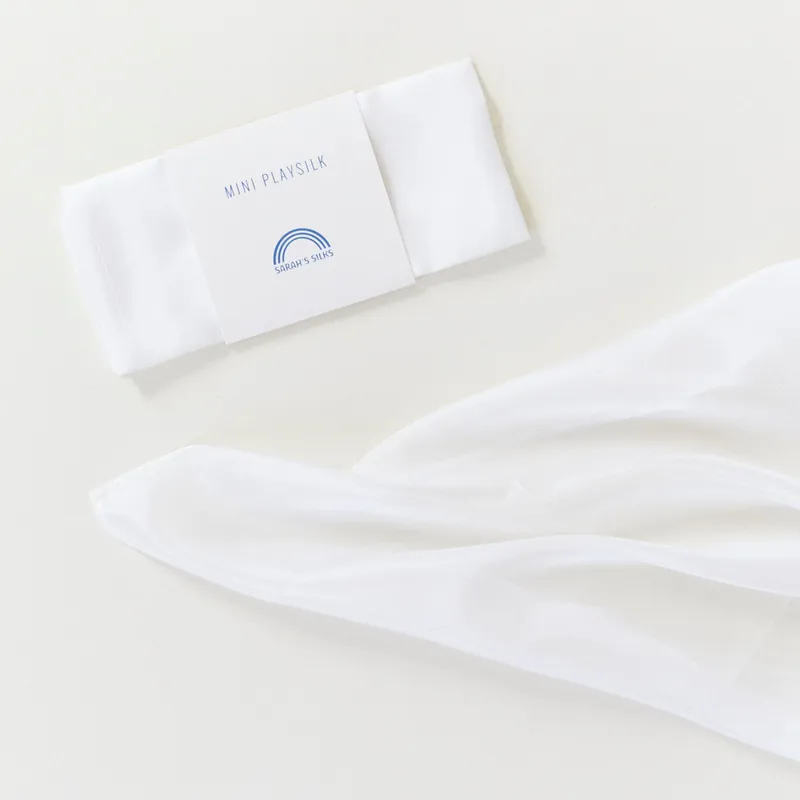
The most underrated travel item there is. Peekaboo for babies, a tablecloth picnic for toddlers, a magic trick for 5-year-olds, and it weighs nothing.
Honest drawback: They're white, so they get loved and dirty fast. Toss them in a lingerie bag to wash.
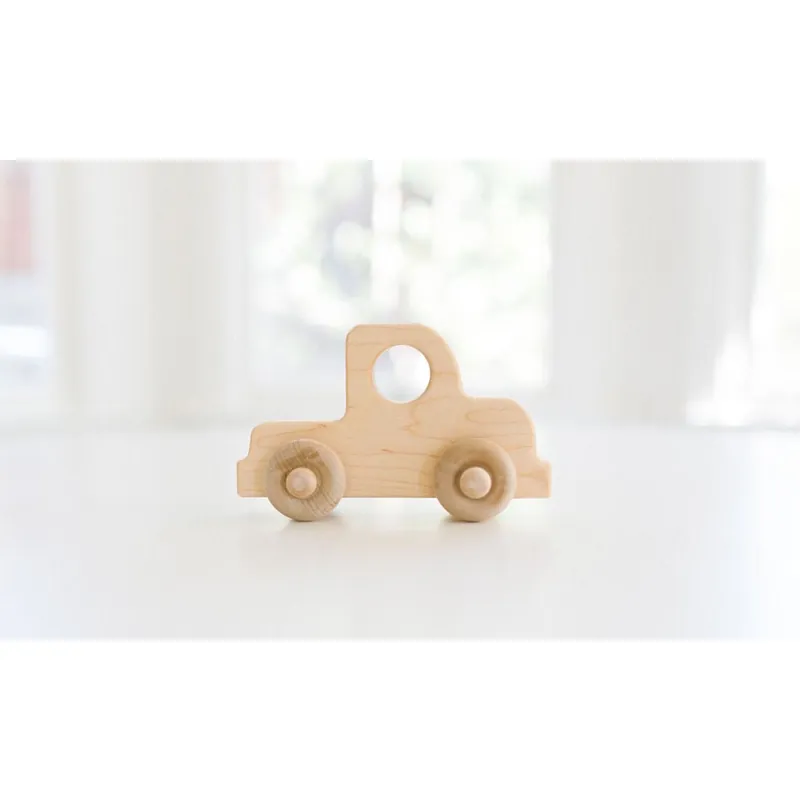
Handmade in the USA from hardwood with an oil finish, by a small family shop. A truck that will be pushed around by two generations.
Honest drawback: Simple by design, with no moving parts beyond the wheels.
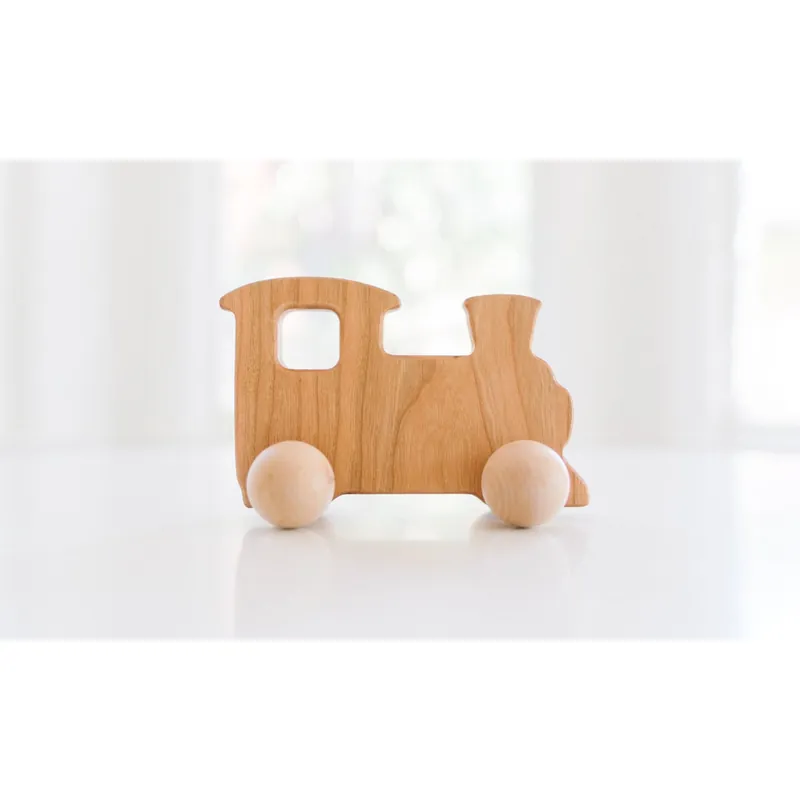
Cherry hardwood that darkens beautifully with age. It's the first-birthday gift that ends up on a shelf as a keepsake.
Honest drawback: It costs more than a plastic train, and it's supposed to.
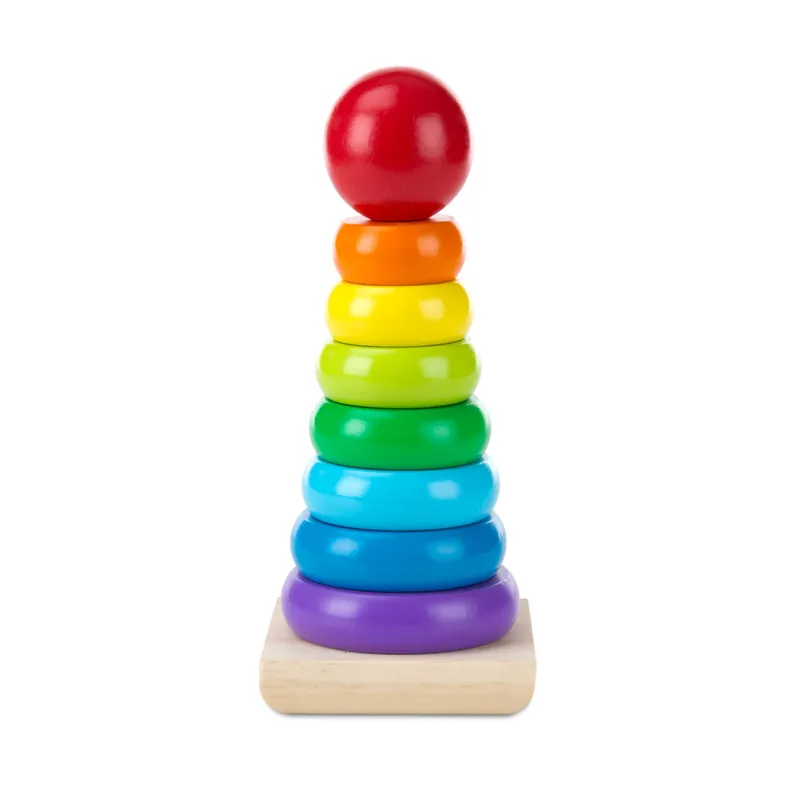
The classic first stacker at a gentle price. It's simple enough that babies do it themselves, which is the whole point.
Honest drawback: Babies outgrow it within a year or so.
Beautiful wood blocks in a modern palette. They look nice enough to leave out in the living room, which is half the battle for getting kids to play with blocks.
Honest drawback: Non-magnetic, so towers topple more easily than with Tegu's magnetic line. Some kids find that frustrating, others find it more satisfying.
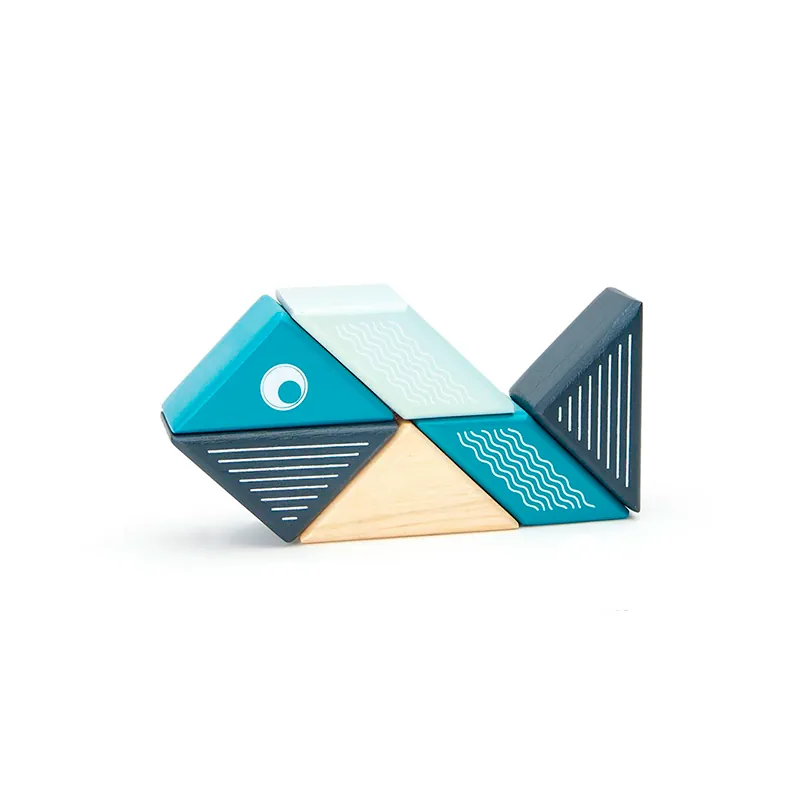
Six chunky magnetic wood pieces that stick to each other and to tray tables. It's the most quietly brilliant restaurant toy we know: no rolling away, no noise, and no small loose magnets.
What real parents say: One family reviewer reports almost ten years of playing, chewing and crashing on Tegu magnetic blocks. Sources
Honest drawback: Six pieces is a short game for older kids. It shines for ages 1β4.
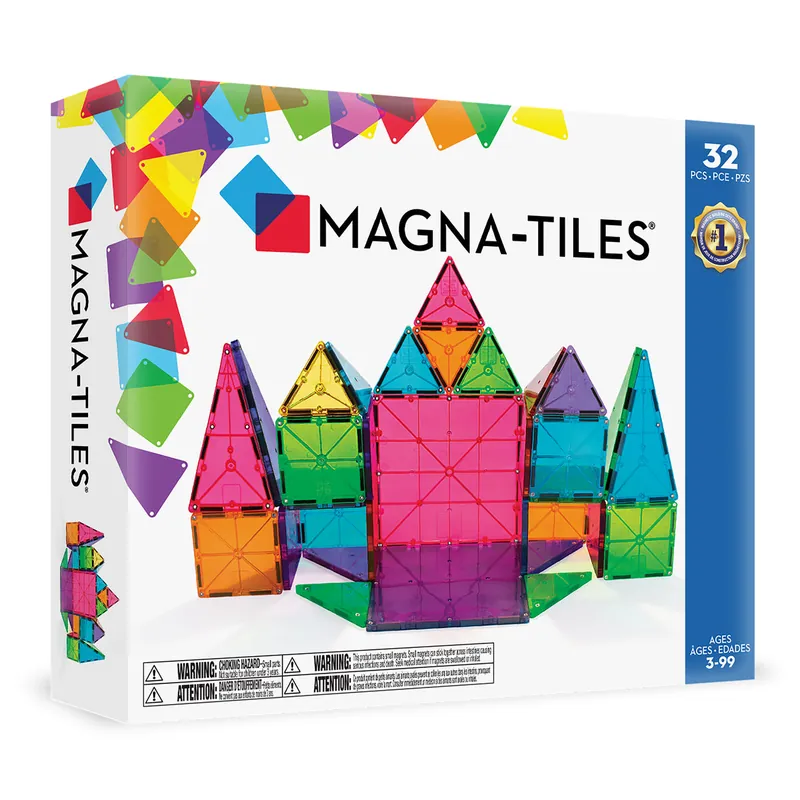
The original magnetic tile, not a knockoff, which matters with magnets. Kids build walls, houses and rocket ships on day one and are still inventing at 9. Siblings can share it without a fight because there's always another tile.
What real parents say: Wirecutter's former baby-and-kid editor says Magna-Tiles are her one answer when asked for a "holy-grail" toy, because they have about the longest play life of anything besides Lego. Sources
Honest drawback: Pricey per piece, and 32 tiles runs out fast once kids get ambitious. Most families add a second set.
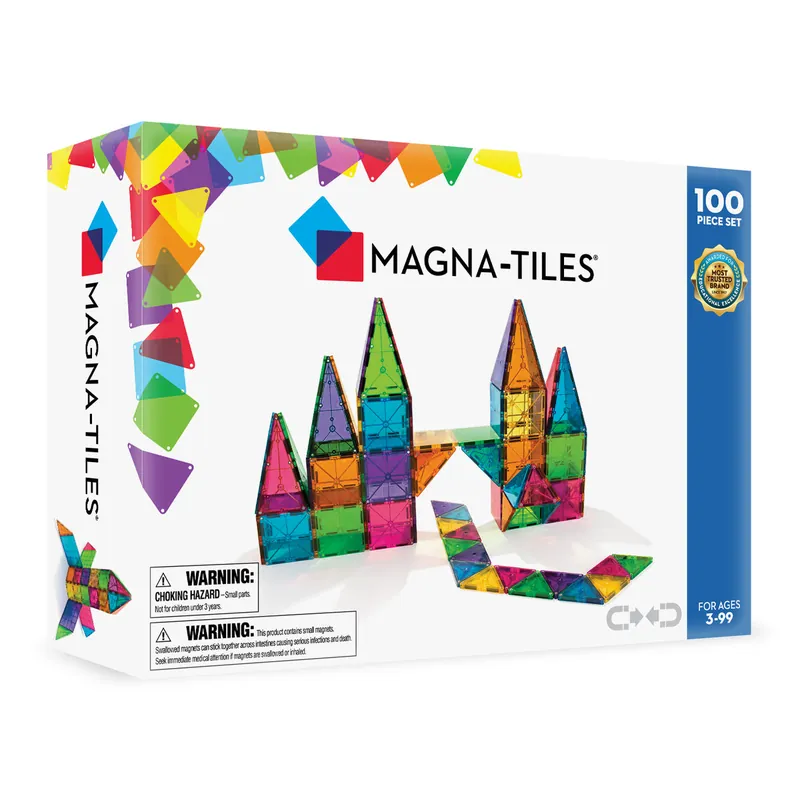
This is the "whole playroom" set. A hundred tiles is the point where kids stop building one thing and start building worlds, and it's the most-used toy in many houses for years.
What real parents say: Wirecutter's former baby-and-kid editor says Magna-Tiles are her one answer when asked for a "holy-grail" toy, because they have about the longest play life of anything besides Lego. Sources
Honest drawback: A real investment, and the tiles end up everywhere. Pair it with a bin.
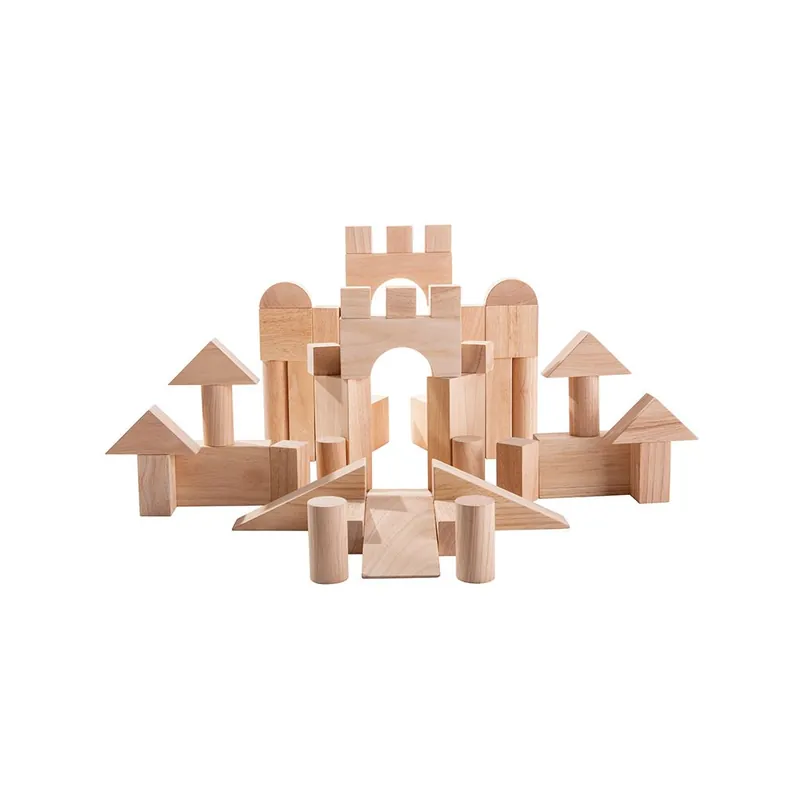
Proper unit blocks, the kind every good preschool classroom has, made from reclaimed rubberwood. PlanToys says they use formaldehyde-free glue and water-based dyes.
Honest drawback: Fifty blocks is a starter set. Classrooms use hundreds.
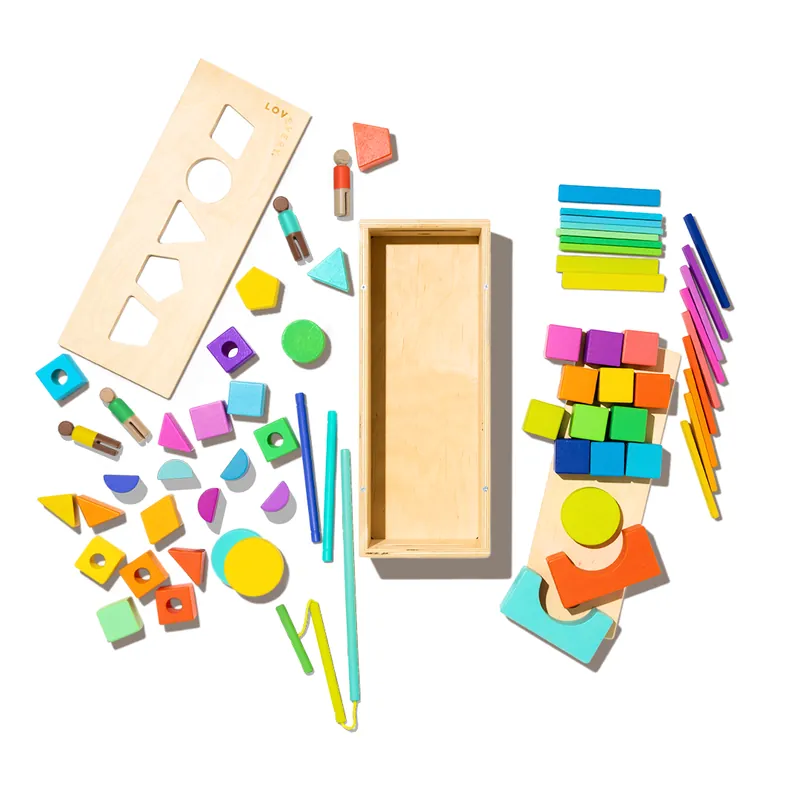
Seventy pieces with 20+ activities designed by a team of child development experts. Toddlers get easy wins, and it grows into real engineering with ramps, arches and pegs.
Honest drawback: Premium price for blocks, so you're paying for the design and the activity guide.

Beautiful wood blocks in a modern palette. They look nice enough to leave out in the living room, which is half the battle for getting kids to play with blocks.
Honest drawback: Non-magnetic, so towers topple more easily than with Tegu's magnetic line. Some kids find that frustrating, others find it more satisfying.
The original magnetic tile, not a knockoff, which matters with magnets. Kids build walls, houses and rocket ships on day one and are still inventing at 9. Siblings can share it without a fight because there's always another tile.
What real parents say: Wirecutter's former baby-and-kid editor says Magna-Tiles are her one answer when asked for a "holy-grail" toy, because they have about the longest play life of anything besides Lego. Sources
Honest drawback: Pricey per piece, and 32 tiles runs out fast once kids get ambitious. Most families add a second set.
This is the "whole playroom" set. A hundred tiles is the point where kids stop building one thing and start building worlds, and it's the most-used toy in many houses for years.
What real parents say: Wirecutter's former baby-and-kid editor says Magna-Tiles are her one answer when asked for a "holy-grail" toy, because they have about the longest play life of anything besides Lego. Sources
Honest drawback: A real investment, and the tiles end up everywhere. Pair it with a bin.
Proper unit blocks, the kind every good preschool classroom has, made from reclaimed rubberwood. PlanToys says they use formaldehyde-free glue and water-based dyes.
Honest drawback: Fifty blocks is a starter set. Classrooms use hundreds.
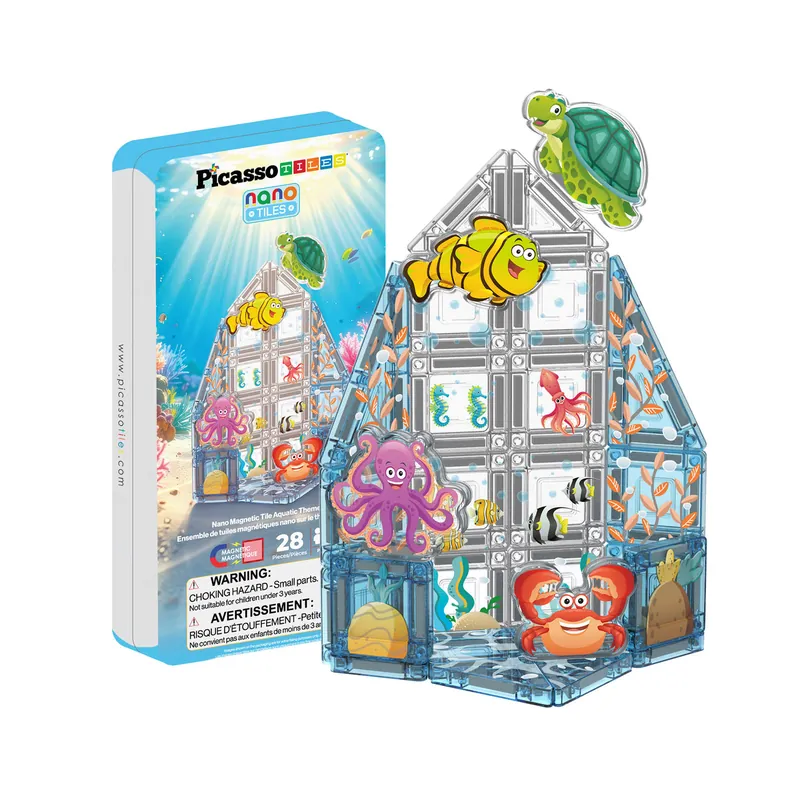
A small travel tin of mini magnetic tiles that works on a tray table. It's a good budget pick for kids who already love tiles at home.
Honest drawback: The tiles are small. We'd keep them away from younger siblings who still mouth things, and count them back into the tin.
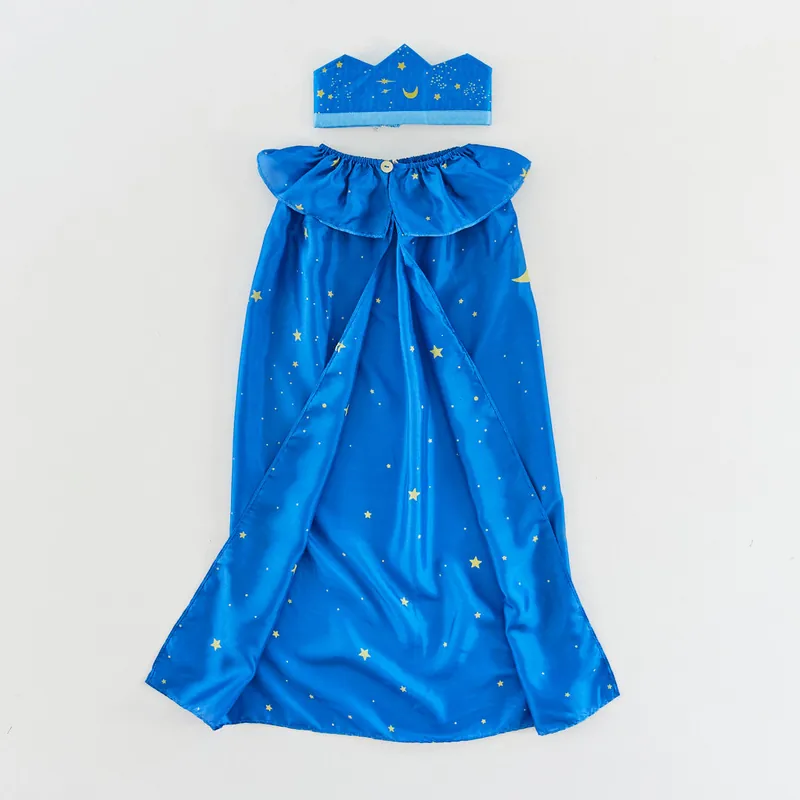
A silk cape becomes a superhero, a queen or a night sky. Open-ended dress-up that folds into a pocket and doesn't steer kids toward any one character.
Honest drawback: Silk needs a gentle wash. It's a cape, not a costume, which is the point but may disappoint a kid who wants Elsa.
Beautiful wood blocks in a modern palette. They look nice enough to leave out in the living room, which is half the battle for getting kids to play with blocks.
Honest drawback: Non-magnetic, so towers topple more easily than with Tegu's magnetic line. Some kids find that frustrating, others find it more satisfying.
The original magnetic tile, not a knockoff, which matters with magnets. Kids build walls, houses and rocket ships on day one and are still inventing at 9. Siblings can share it without a fight because there's always another tile.
What real parents say: Wirecutter's former baby-and-kid editor says Magna-Tiles are her one answer when asked for a "holy-grail" toy, because they have about the longest play life of anything besides Lego. Sources
Honest drawback: Pricey per piece, and 32 tiles runs out fast once kids get ambitious. Most families add a second set.
This is the "whole playroom" set. A hundred tiles is the point where kids stop building one thing and start building worlds, and it's the most-used toy in many houses for years.
What real parents say: Wirecutter's former baby-and-kid editor says Magna-Tiles are her one answer when asked for a "holy-grail" toy, because they have about the longest play life of anything besides Lego. Sources
Honest drawback: A real investment, and the tiles end up everywhere. Pair it with a bin.
A small travel tin of mini magnetic tiles that works on a tray table. It's a good budget pick for kids who already love tiles at home.
Honest drawback: The tiles are small. We'd keep them away from younger siblings who still mouth things, and count them back into the tin.
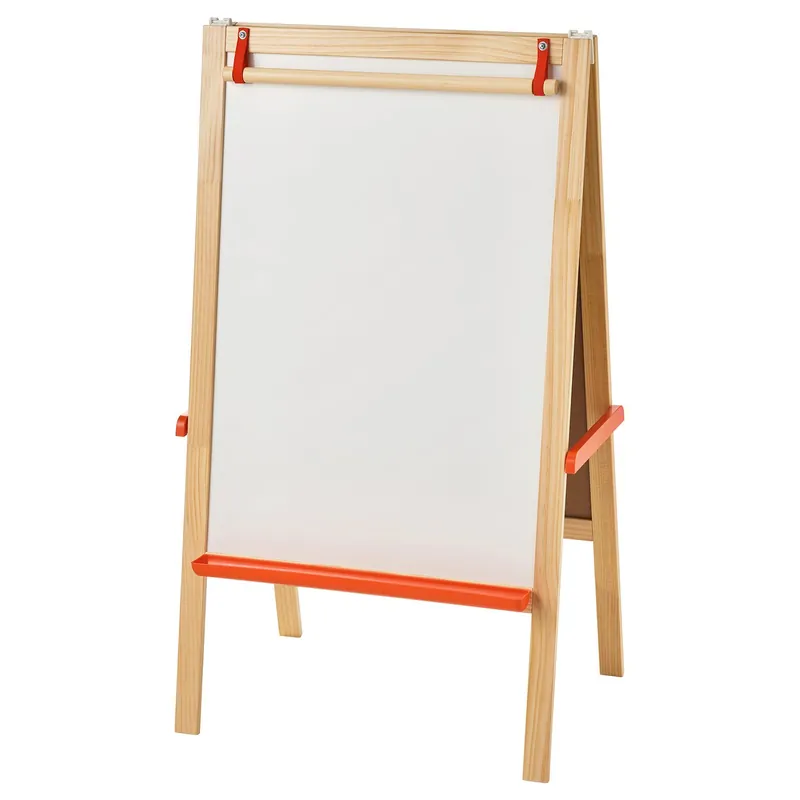
The good-enough easel at a fraction of the price. IKEA lists solid pine plus a chalkboard and whiteboard, and it folds flat when you need the room back.
Honest drawback: Less sturdy than premium easels, and paper is a separate purchase.
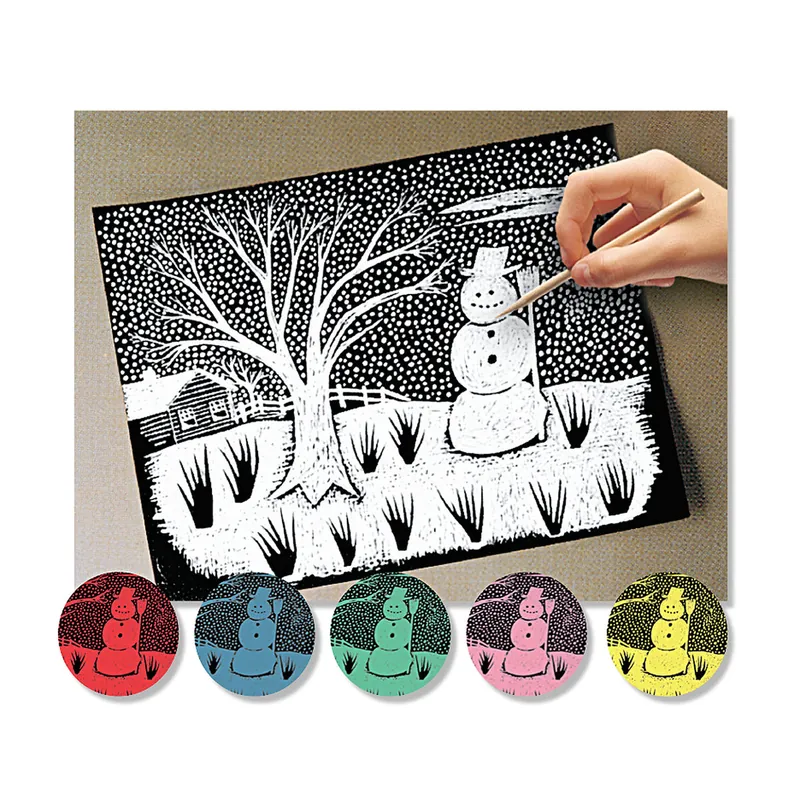
Scratch-to-reveal rainbow paper is the restaurant secret for 6β10-year-olds, who are too old for Water Wow and too young for sketchbooks.
Honest drawback: Scratch flakes are a little messy on a white tablecloth.
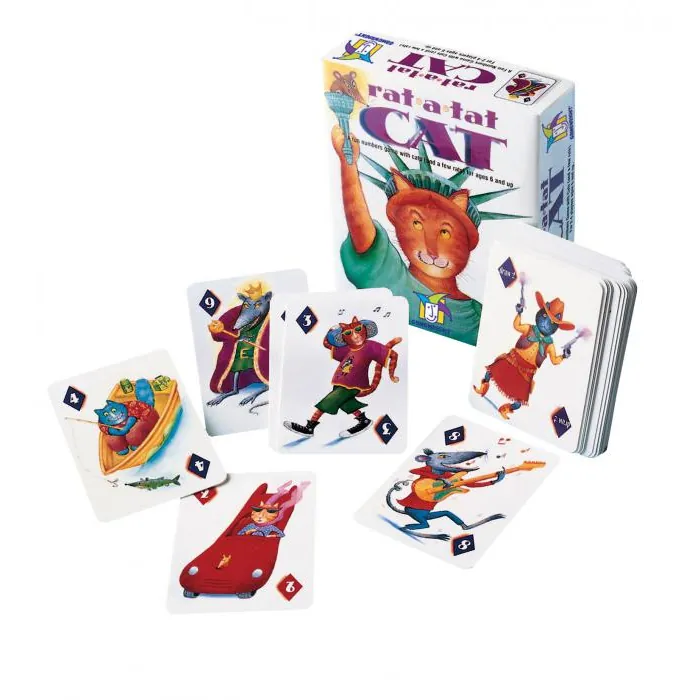
A card game that sneaks in memory and strategy. A 6-year-old can genuinely beat Grandpa, which is why it gets requested.
Honest drawback: Small card deck: take a zip bag so you don't lose cards under the restaurant booth.
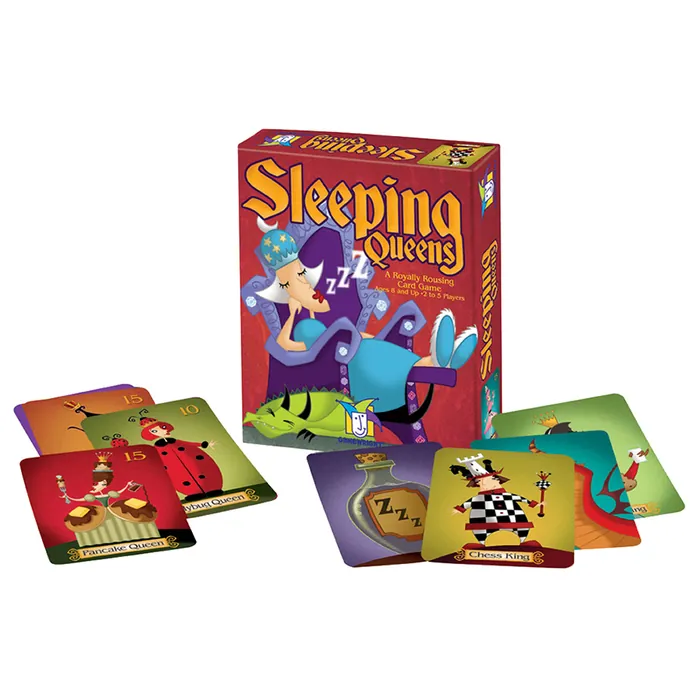
Invented by a 6-year-old girl. It quietly teaches addition through the "math equations" card plays, and the art is charming.
Honest drawback: Rounds can run long with 4+ players.
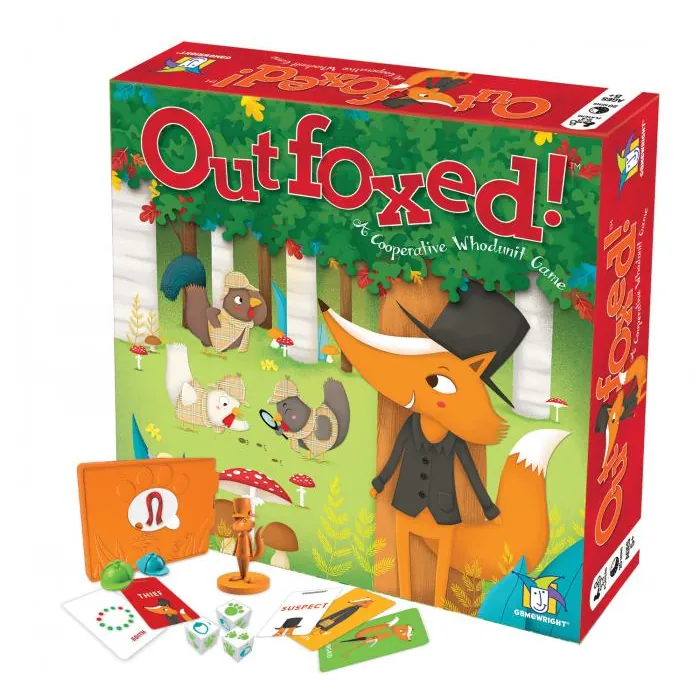
A cooperative whodunit: everyone wins or loses together. It's perfect for siblings who melt down when they lose.
Honest drawback: Requires a table and setup, so it's not a restaurant game.
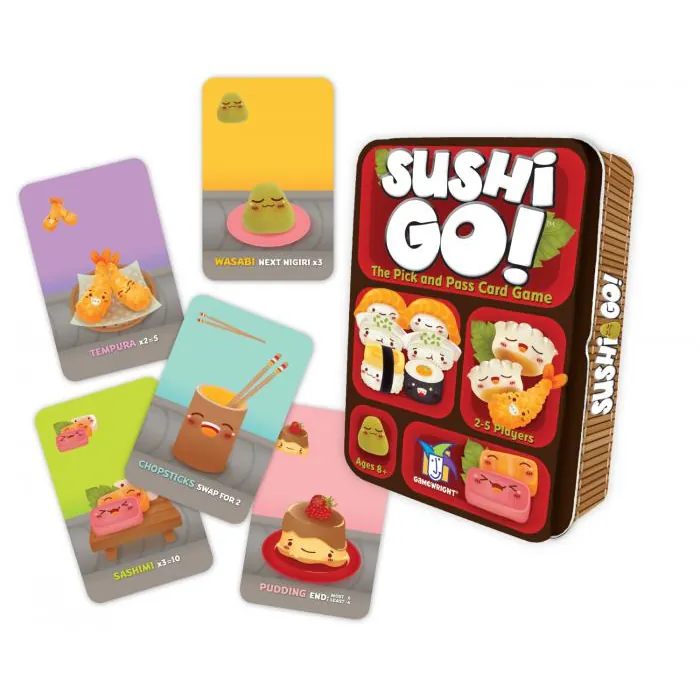
The card-drafting game families play for years, from 8 to adult. Quick rounds, cute art, and it fits in a coat pocket.
What real parents say: Recommended in Wirecutter's guide to kids' and family games. Sources
Honest drawback: Scoring needs a pencil and paper.
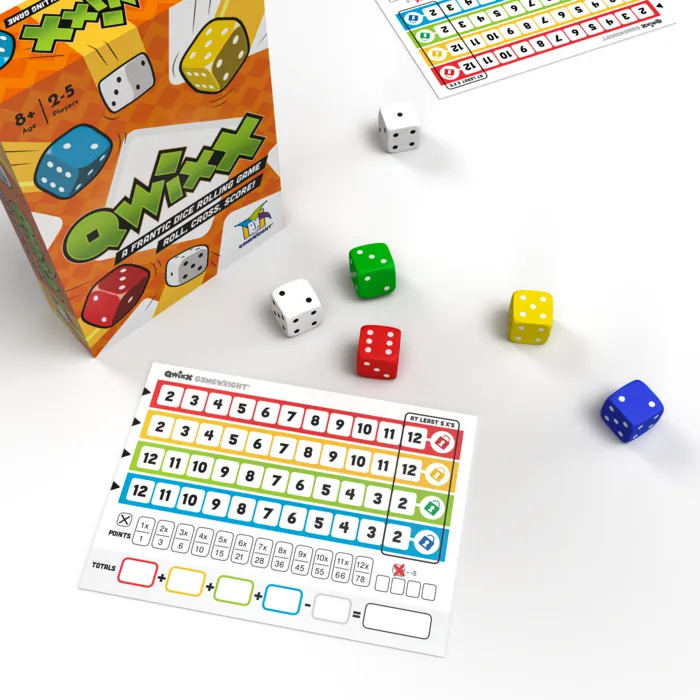
A dice game where everyone plays on every roll, so nobody is ever waiting.
Honest drawback: Dice clatter. Roll into a box lid at restaurants.
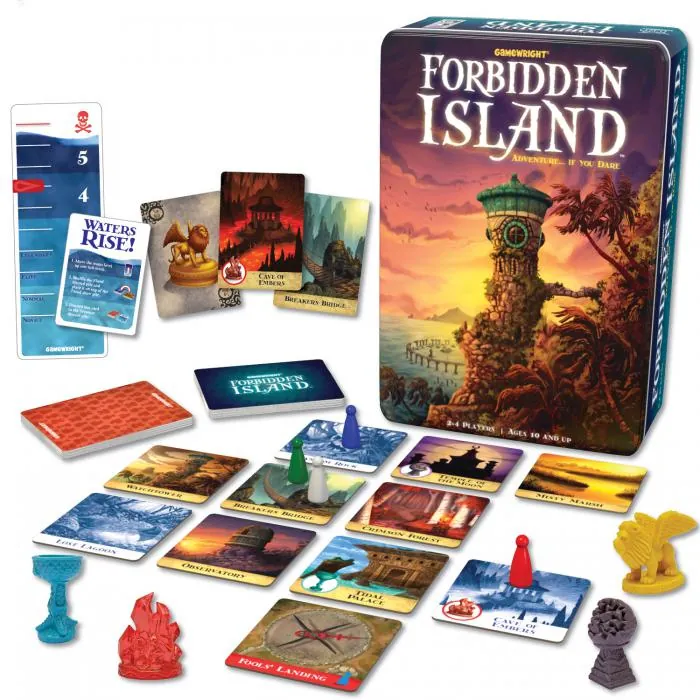
A cooperative adventure that teaches teamwork under pressure. It's a great "graduate" game for kids who loved Outfoxed.
Honest drawback: Takes about 30 minutes plus setup.
We link to makers directly. Some links may be affiliate links in future, and if so we may earn a commission at no cost to you. How we make money.