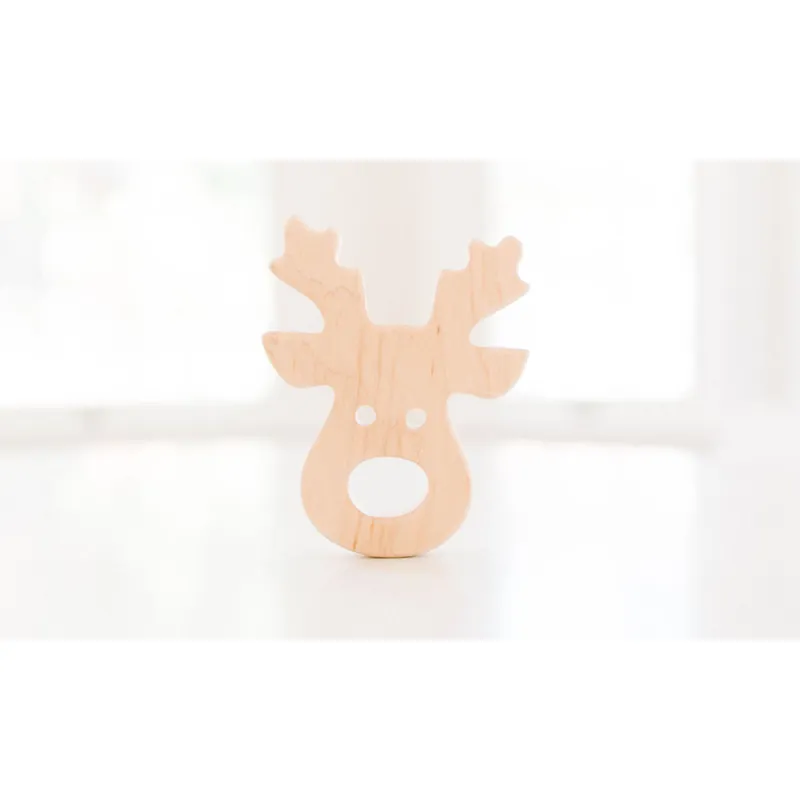
Bannor Toys Reindeer Grasping Toy
A handmade hardwood grasping toy, the perfect baby's-first-Christmas stocking stuffer.
Honest drawback: It's a baby toy with a short window, but a lovely keepsake.
Home โบ Christmas โบ Gifts by age
One thoughtful gift beats a pile. Here are our picks for each stage, from babies to teens. Ages are never younger than the maker's own grading, and the maker's price and checked date are on every card.
Simple and sensory: things to grab, mouth, shake and look at, plus you on the floor with them. More on this stage in our babies guide.
A handmade hardwood grasping toy, the perfect baby's-first-Christmas stocking stuffer.
Honest drawback: It's a baby toy with a short window, but a lovely keepsake.
High-contrast art that babies can actually see, in a soft book that survives drool and bathwater.
Honest drawback: It's a baby book, so the window is short.
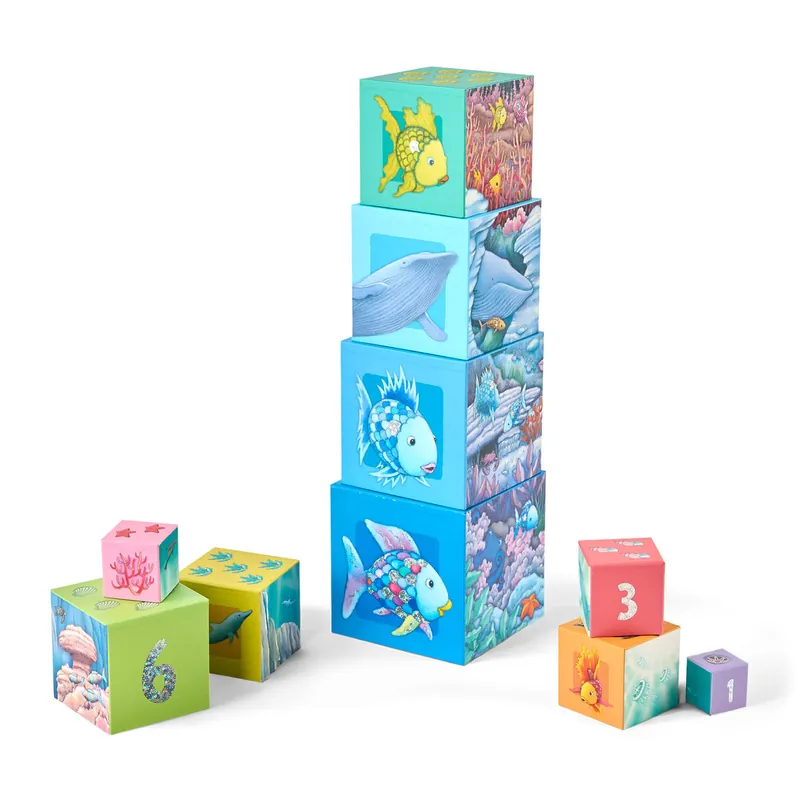
Nesting cups starring the Rainbow Fish book. Stack, nest, scoop in the bath, then read the story.
Honest drawback: Cardboard-type nesting cubes don't love water, so check the material before bath use.
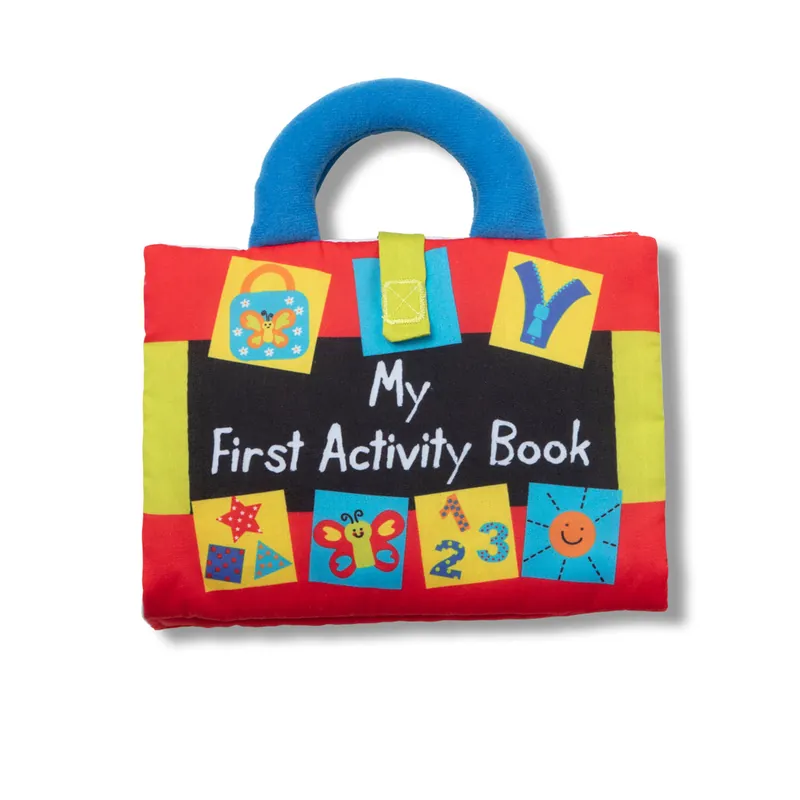
A soft activity book with textures and flaps is the quiet baby distraction for church and flights.
Honest drawback: It gets grubby. Wash it gently.
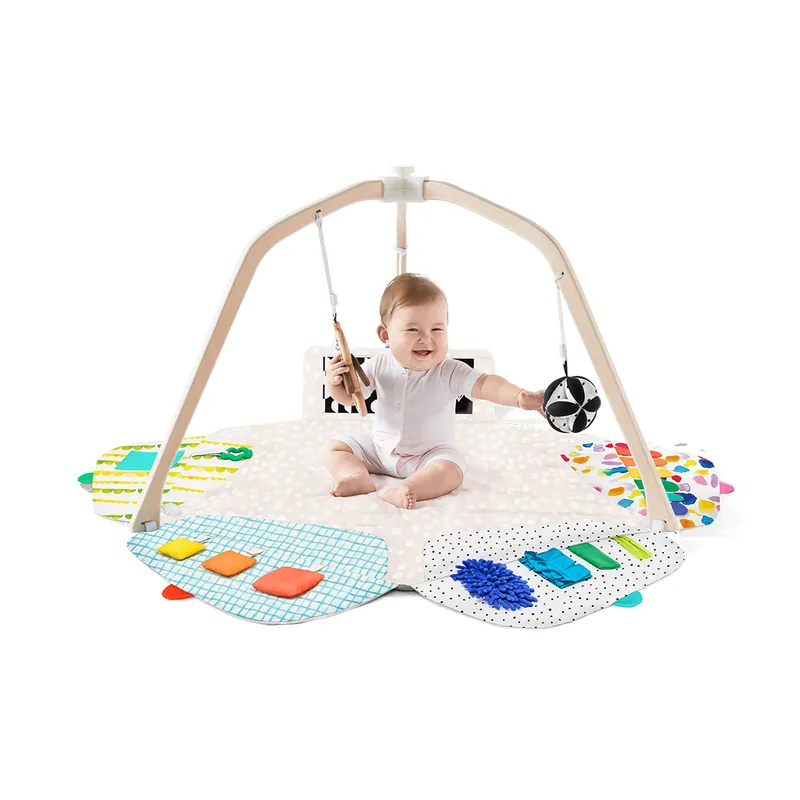
A play gym designed around stages of baby vision and grasp. It's the most-gifted baby-shower item for screen-free families, and for good reason.
What real parents say: BabyGearLab ranked it first of 8 baby gyms they bought and tested. Sources
Honest drawback: Takes up a chunk of floor and costs more than basic gyms.
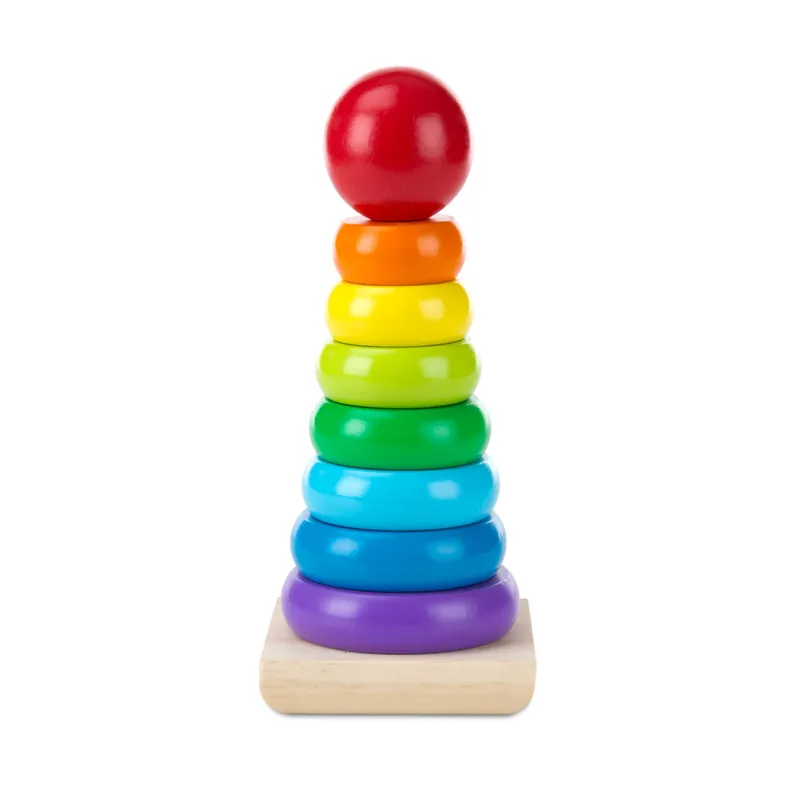
The classic first stacker at a gentle price. It's simple enough that babies do it themselves, which is the whole point.
Honest drawback: Babies outgrow it within a year or so.
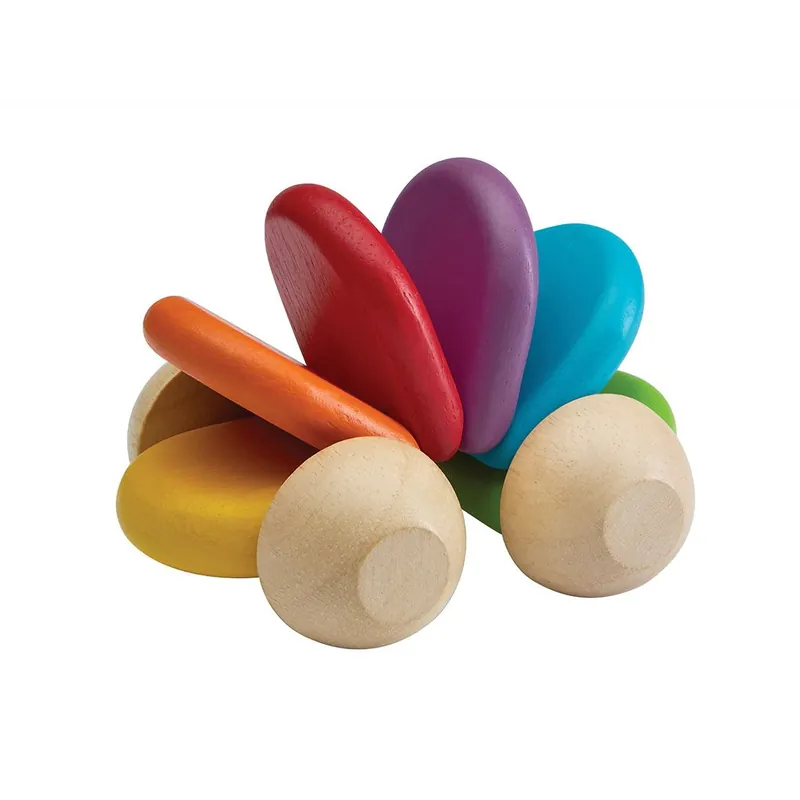
Flexible wooden discs on wheels that squash and spring back, so it works as a rattle now and a push toy once they crawl.
Honest drawback: Small, so it rolls under the couch a lot.
Push, climb, stack, scribble. The best toddler gifts let them do it themselves. More on this stage in our toddlers guide.
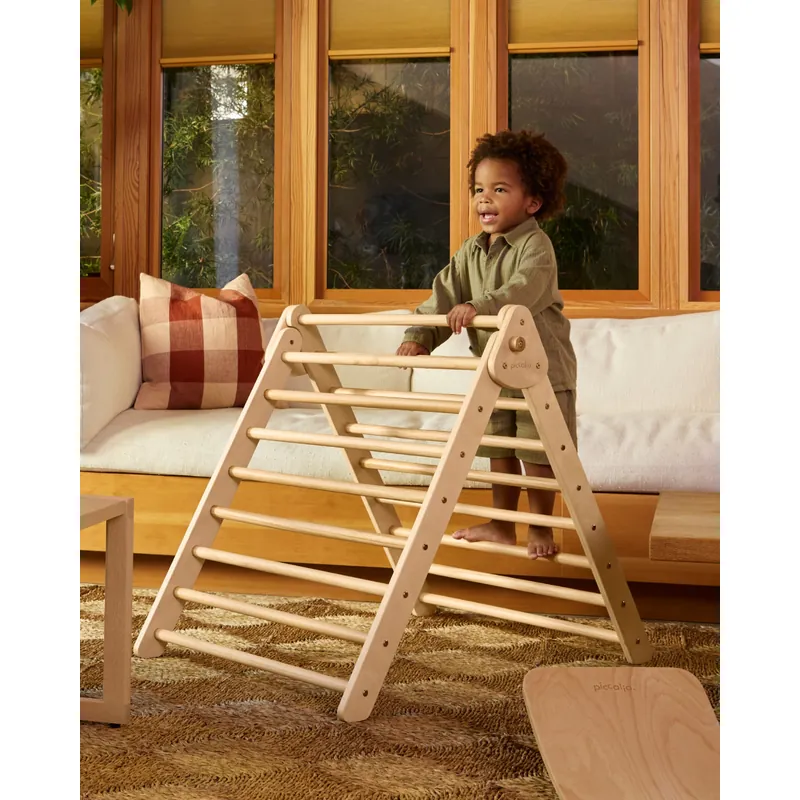
An indoor climbing frame based on Dr. Emmi Pikler's approach: babies learn their own limits by climbing exactly as high as they're ready to. This is risky play, done carefully, in the living room.
What real parents say: A pediatric physical therapist, writing about Pikler triangles in general, says they're great for climbing, motor planning and confidence. Sources
Honest drawback: Takes floor space and a commitment to "spot, don't lift." Pricey.
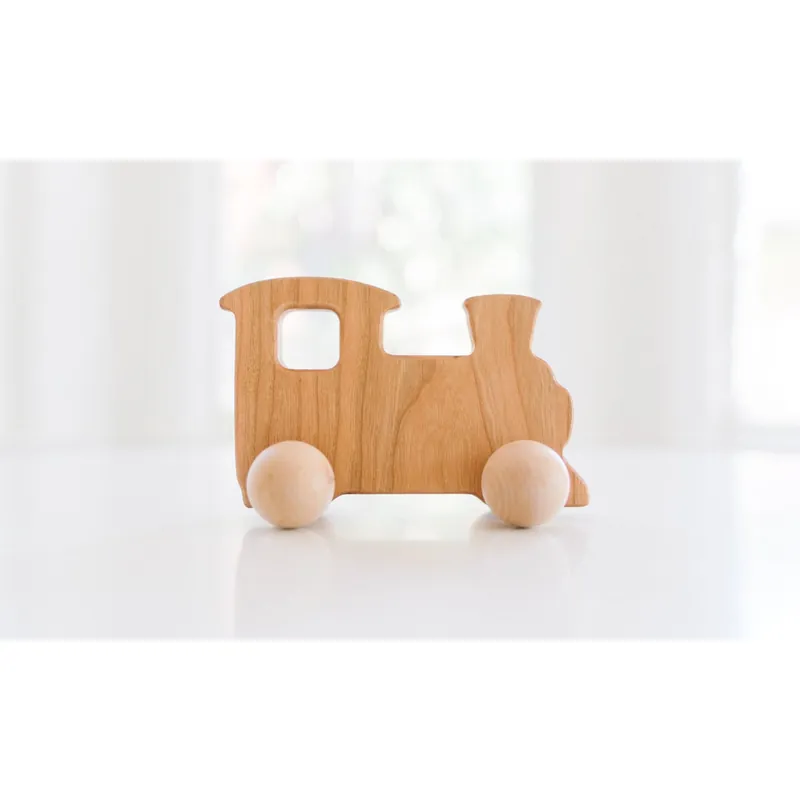
Cherry hardwood that darkens beautifully with age. It's the first-birthday gift that ends up on a shelf as a keepsake.
Honest drawback: It costs more than a plastic train, and it's supposed to.
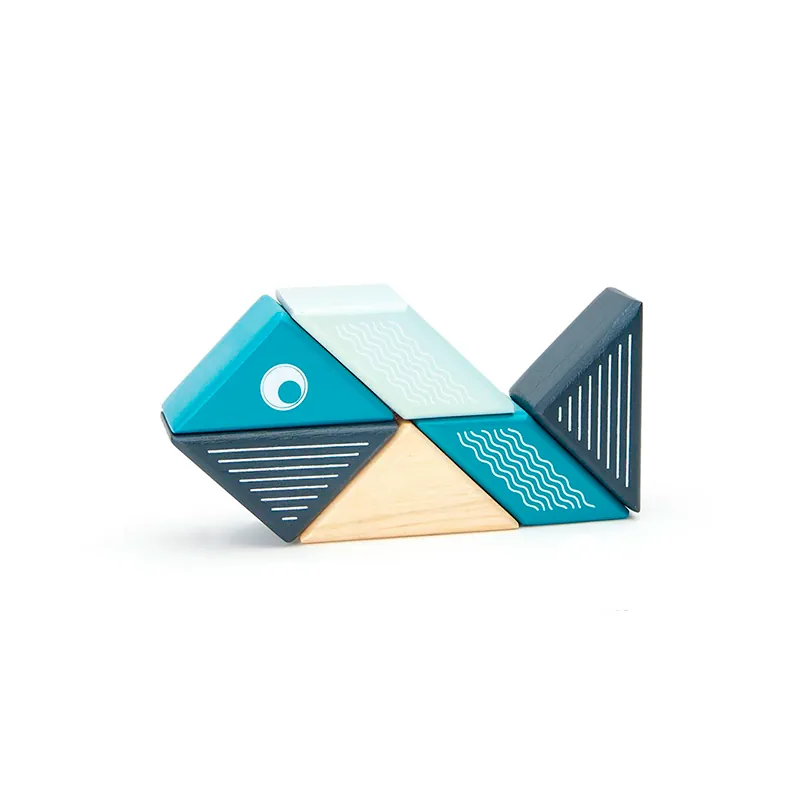
Six chunky magnetic wood pieces that stick to each other and to tray tables. It's the most quietly brilliant restaurant toy we know: no rolling away, no noise, and no small loose magnets.
What real parents say: One family reviewer reports almost ten years of playing, chewing and crashing on Tegu magnetic blocks. Sources
Honest drawback: Six pieces is a short game for older kids. It shines for ages 1โ4.
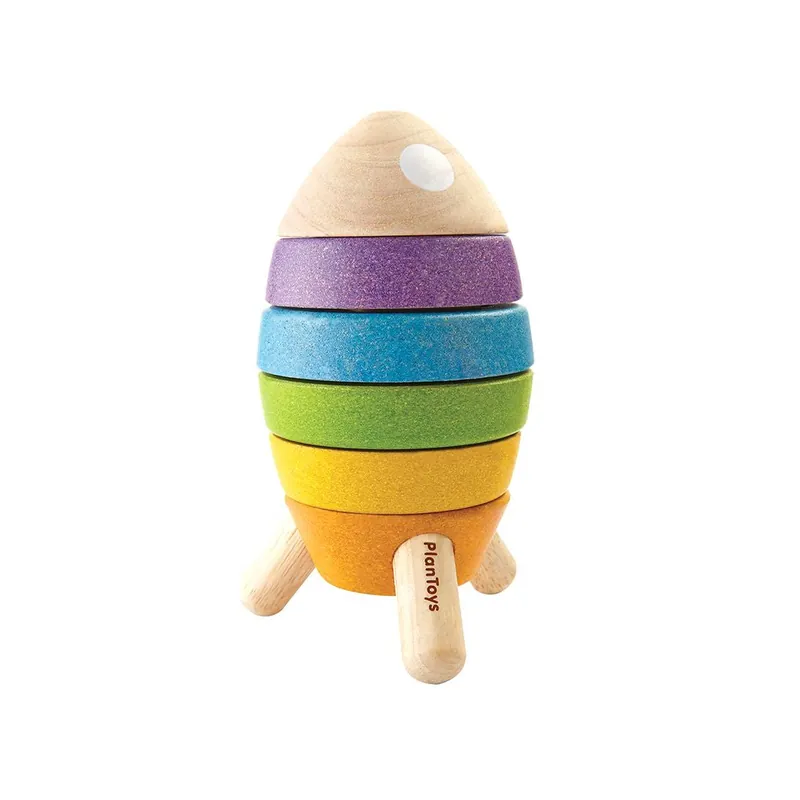
A stacker that becomes a pretend rocket, which is a nice crossover from baby puzzle to toddler story.
Honest drawback: Single-purpose once kids are past stacking.
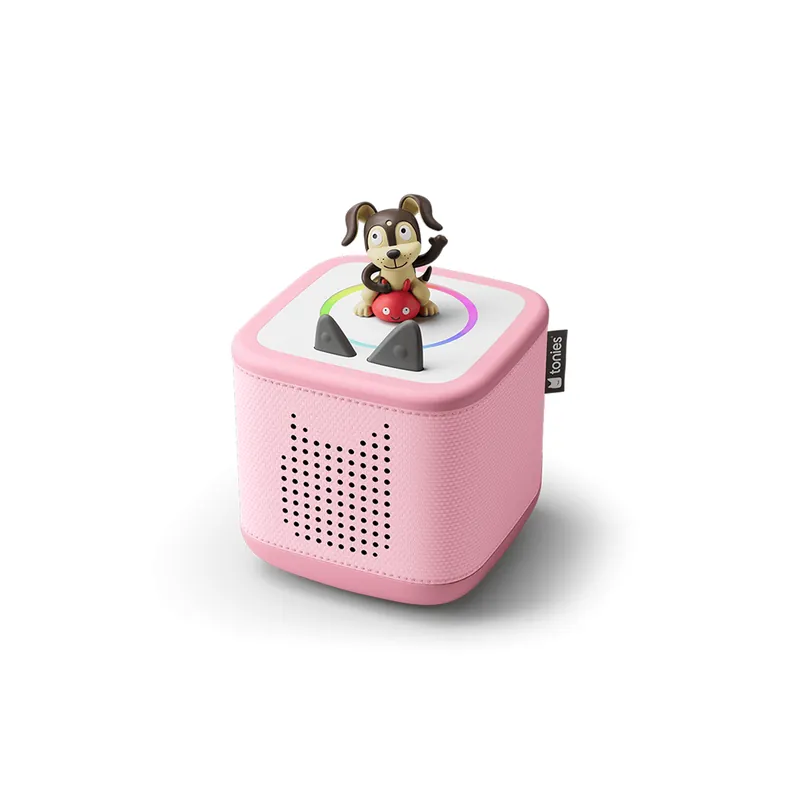
A squishy cube and figurines: set a character on top and it plays. It's the easiest player for little hands (ages 1+ per the maker), and the figures double as toys.
What real parents say: In WIRED's testing it was the easiest player for a toddler to figure out: put a figure on top and it plays. Sources
Honest drawback: Figures are pricey, and they're collectibles. Set a limit early.
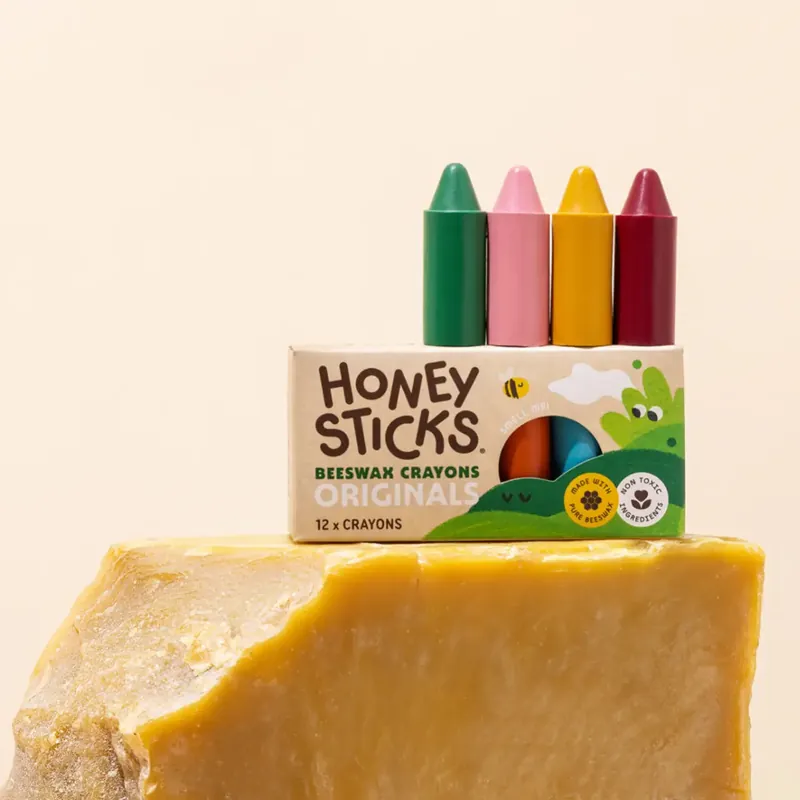
Beeswax crayons from New Zealand, designed for little fists. Honeysticks markets them as pure beeswax with food-grade pigments, which is great for the kid who still occasionally tastes a crayon.
Honest drawback: Beeswax crayons are softer and pricier than paraffin crayons.
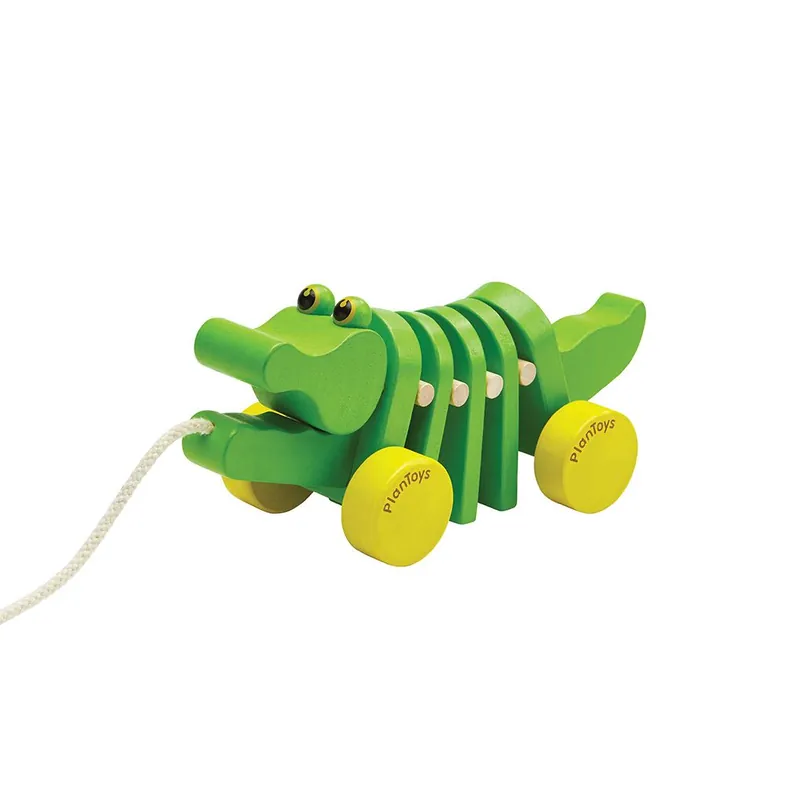
A pull-along alligator whose jointed body wiggles and clacks as they walk. New walkers keep going just to hear it.
Honest drawback: Pull cords need an adult nearby, and it gets loud on hard floors.
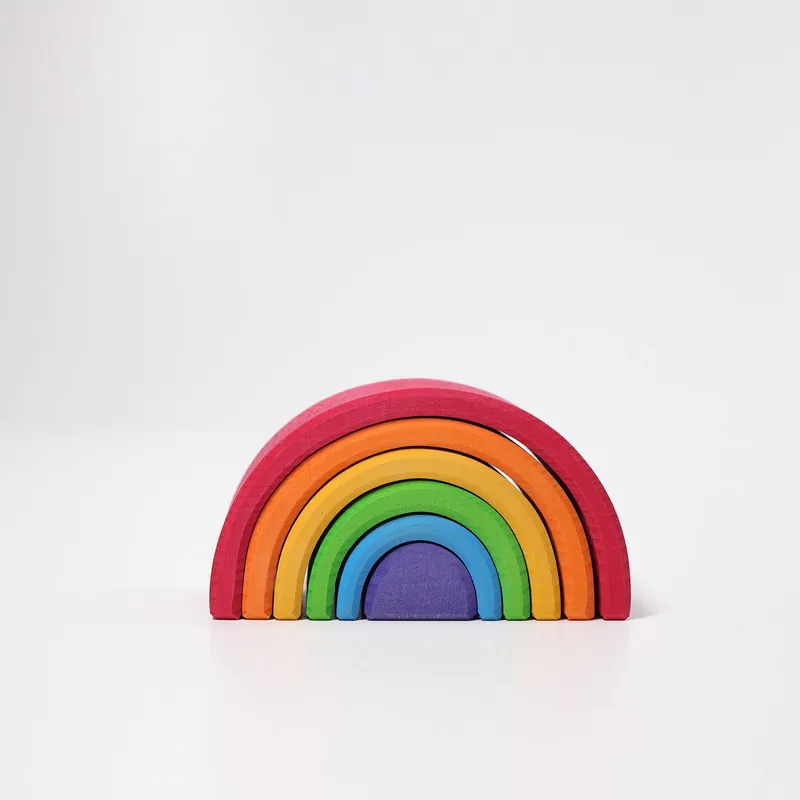
Six nesting arches that are a stacker at one, then a tunnel, bridge, cradle or fence for years. Grimm's grades it 1+ on its own site.
Honest drawback: Pricey for six pieces, and wood can dent if thrown.
Peak pretend play. Open-ended toys, dress-up and a first real board game. More on this stage in our preschoolers guide.
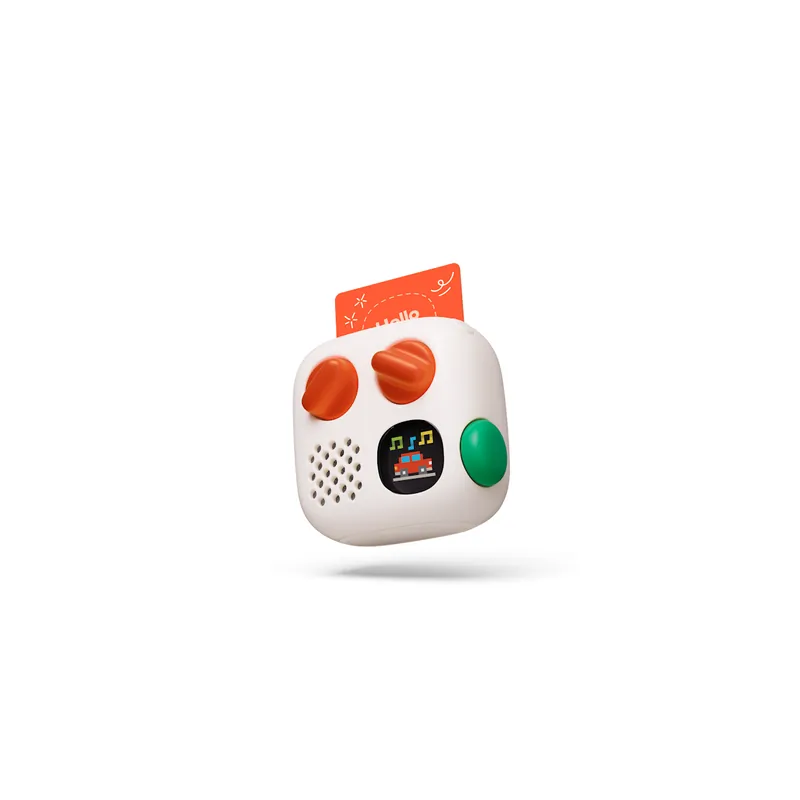
The portable Yoto, pocket-sized for car seats and plane rows with headphones. Our favorite airplane "screen" that isn't one.
What real parents say: A Wirecutter writer calls it her daughters' favorite gift ever: three years in, it runs bedtime and fills playdates. Sources
Honest drawback: Smaller speaker, and headphones for flights are sold separately.
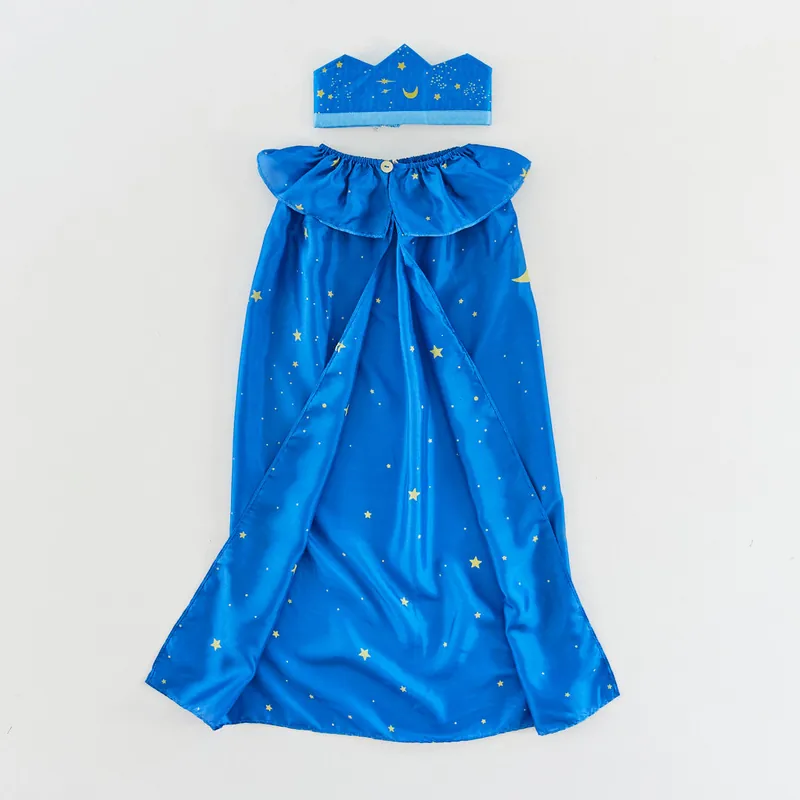
A silk cape becomes a superhero, a queen or a night sky. Open-ended dress-up that folds into a pocket and doesn't steer kids toward any one character.
Honest drawback: Silk needs a gentle wash. It's a cape, not a costume, which is the point but may disappoint a kid who wants Elsa.
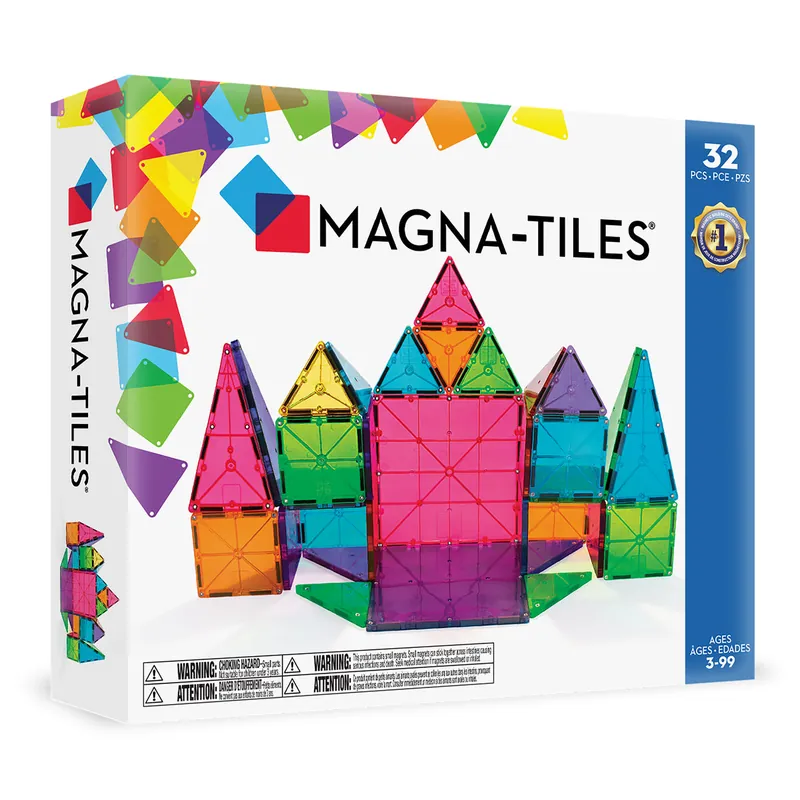
The original magnetic tile, not a knockoff, which matters with magnets. Kids build walls, houses and rocket ships on day one and are still inventing at 9. Siblings can share it without a fight because there's always another tile.
What real parents say: Wirecutter's former baby-and-kid editor says Magna-Tiles are her one answer when asked for a "holy-grail" toy, because they have about the longest play life of anything besides Lego. Sources
Honest drawback: Pricey per piece, and 32 tiles runs out fast once kids get ambitious. Most families add a second set.
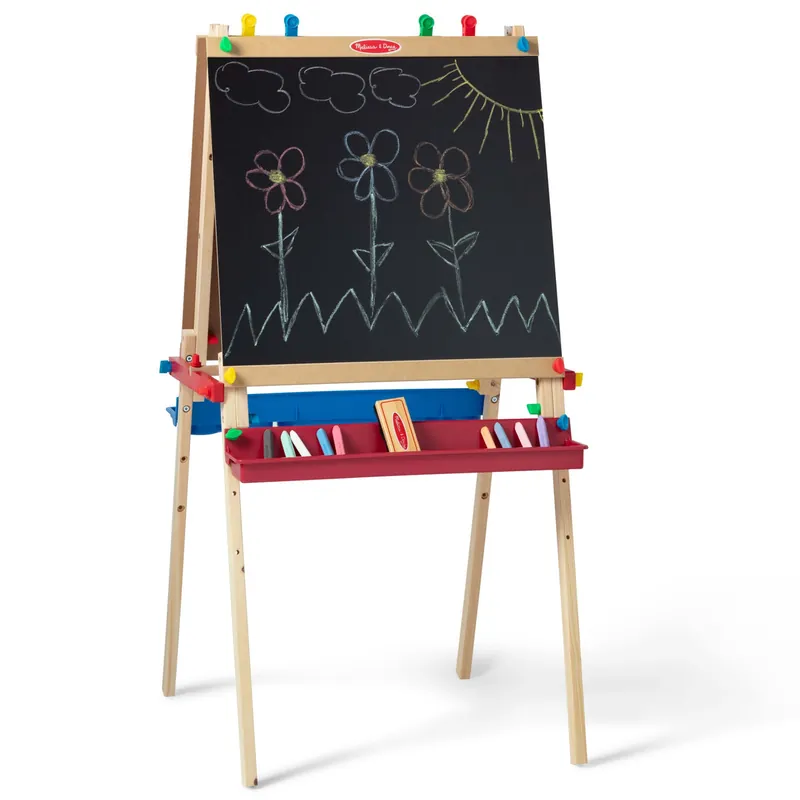
A real easel with paper roll, chalkboard and dry-erase. The tall format gets kids standing and painting big, which is a different (and better) experience than coloring at a table.
Honest drawback: Bulky, and paint happens. Put a drop cloth under it.
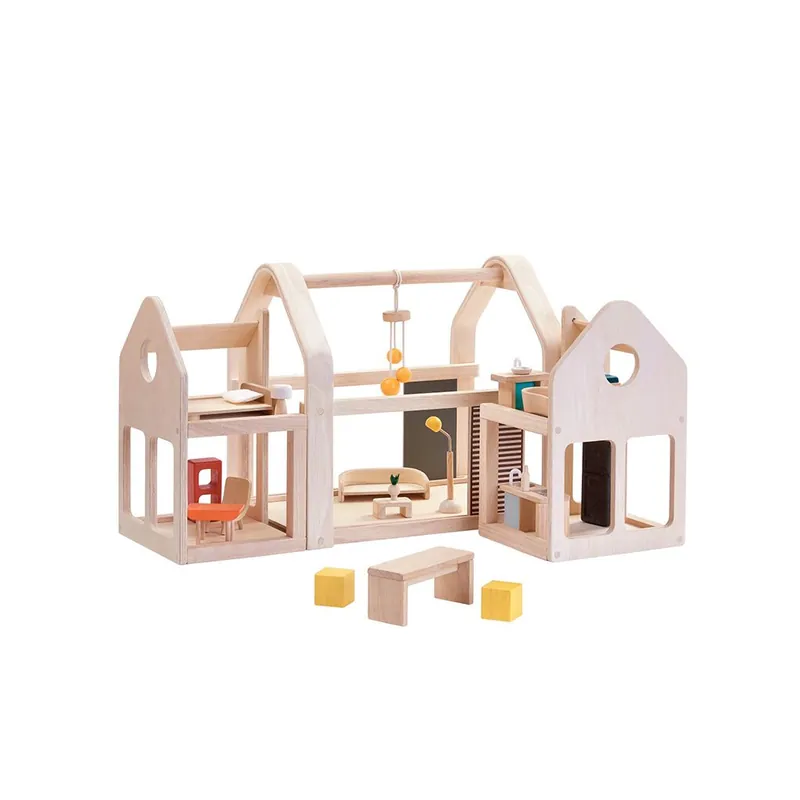
A wooden dollhouse with simple furniture that leaves the story to the child. It's the long-running quiet-time play kids return to for years.
Honest drawback: Figures are sold separately, and it takes up floor space.
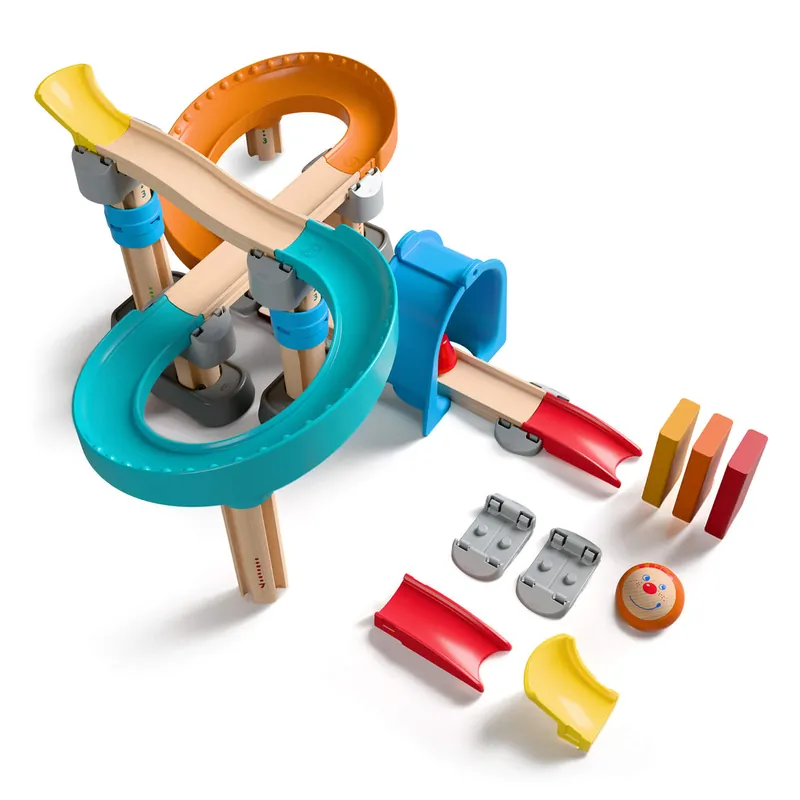
German-made marble-run thinking for toddlers. The pieces are big, so the "balls" are not choking-size, and kids learn cause and effect without batteries.
Honest drawback: Expansion sets add up, and sibling disputes about whose turn it is do happen.
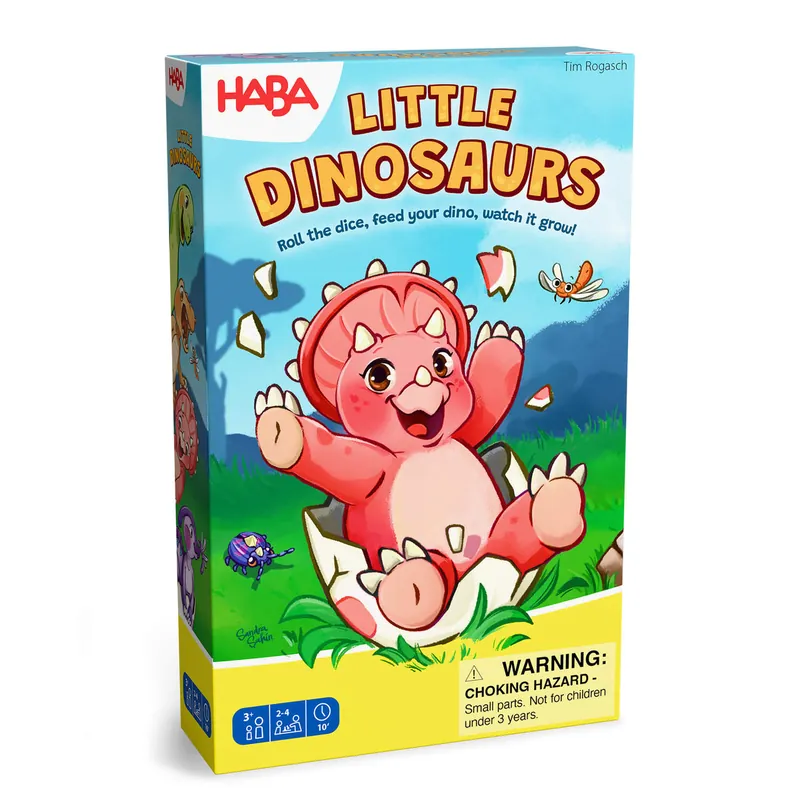
HABA makes the best first board games. Short, cooperative-feeling, and built for 3-year-old attention spans.
Honest drawback: Too simple for kids over 6.
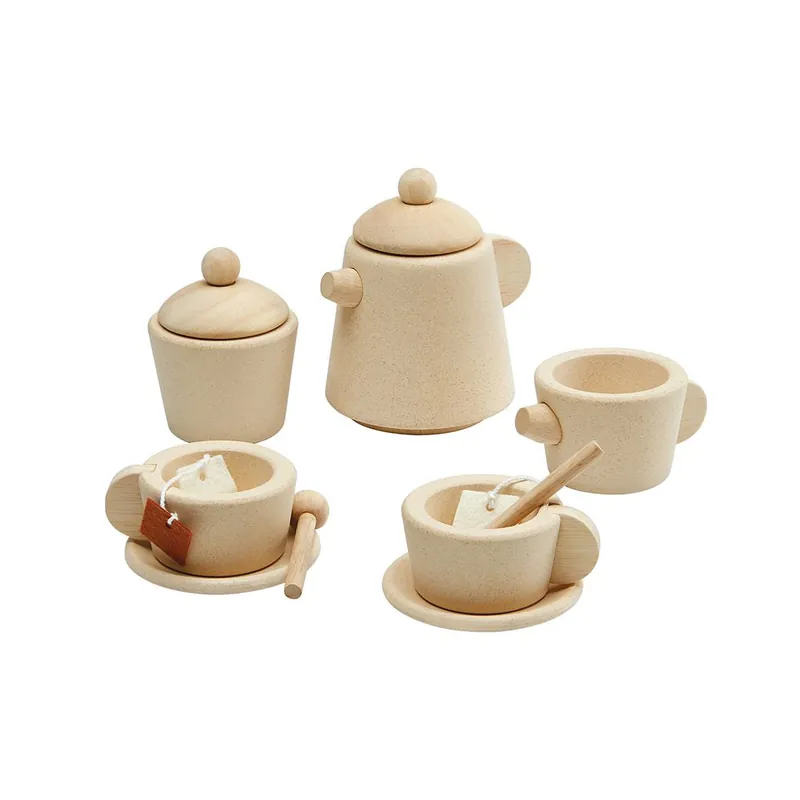
A wooden teapot, cups and treats for teddy-bear tea parties. Pretend play at its gentlest, and it travels to a picnic blanket well.
Honest drawback: Several small pieces to keep track of.
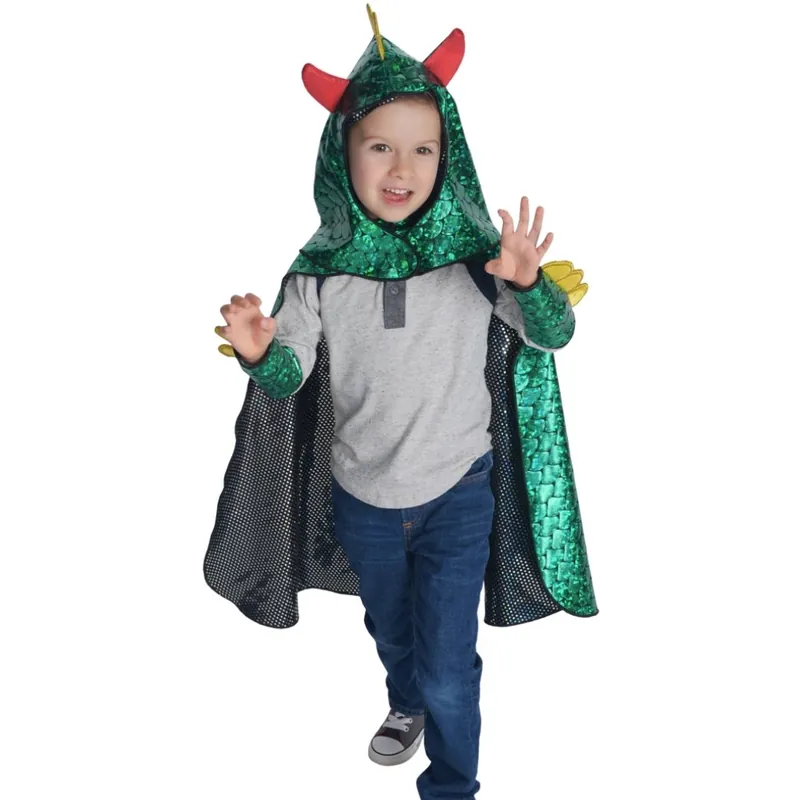
One reversible set, two characters: green dragon scales or knight chain mail. Sturdy enough for years of dress-up.
Honest drawback: Pricey, and the fabrics are synthetic.
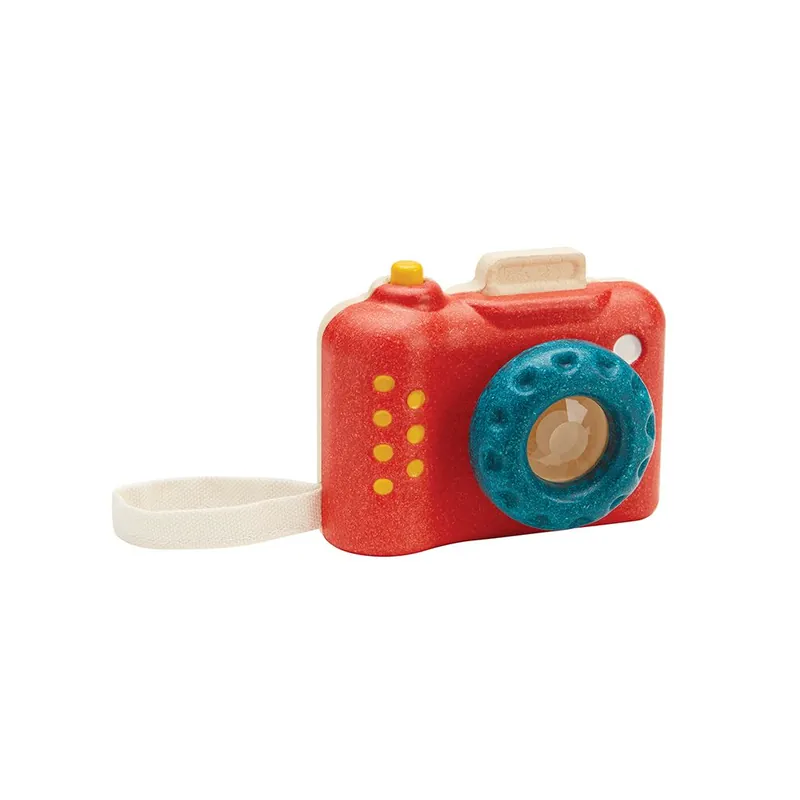
A wooden pretend camera with a kaleidoscope lens and a button that clicks. Kids copy what grown-ups do, and this one has no screen.
Honest drawback: Pretend only: no photos. Older kids will want a real one.
Real cameras, real games, real projects. They want to be good at something. More on this stage in our early school age guide.
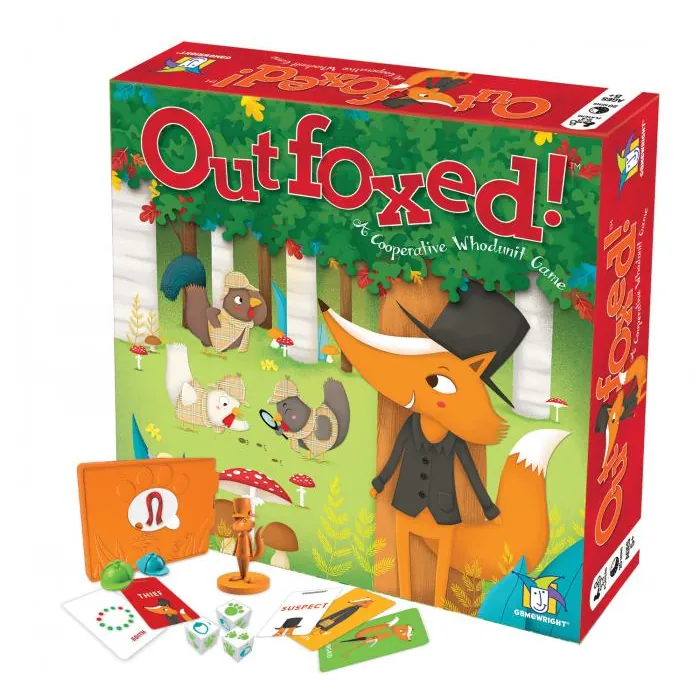
A cooperative whodunit: everyone wins or loses together. It's perfect for siblings who melt down when they lose.
Honest drawback: Requires a table and setup, so it's not a restaurant game.
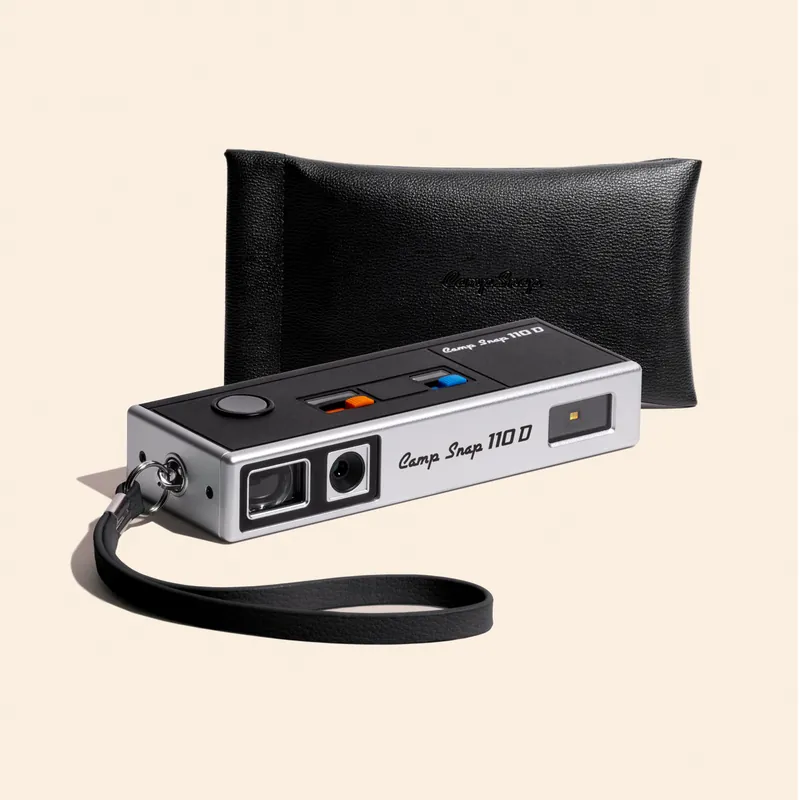
A digital camera with no screen: you click and you find out later, like film. Kids look at the world instead of the display. A hit with tweens.
What real parents say: Wirecutter found it simple and sturdy. Sources
Honest drawback: Photos need a computer to download, which is a parent job.
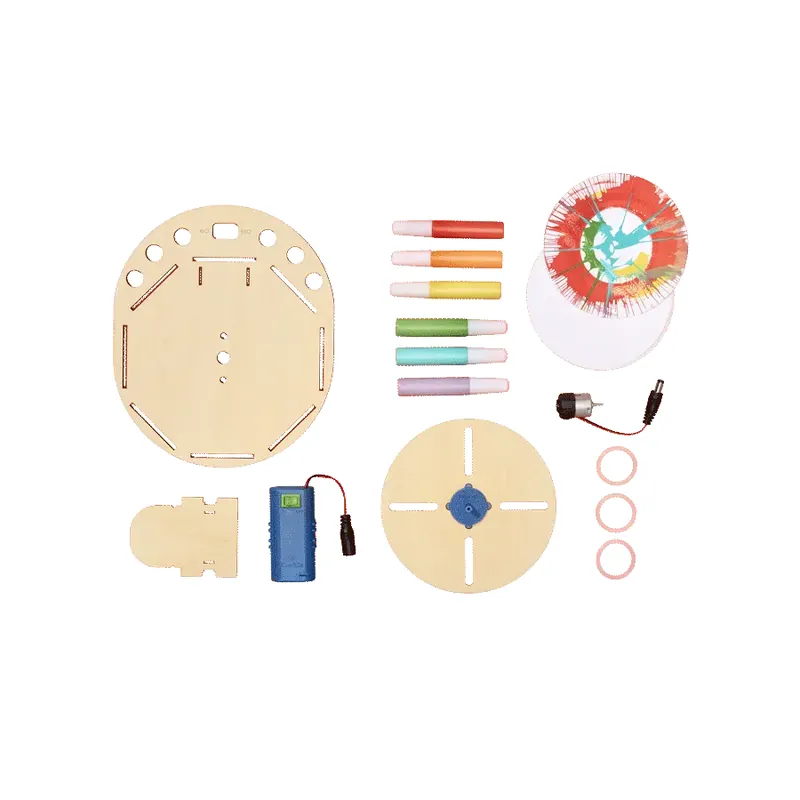
Real build-it projects (a working pinball machine, a hydraulic claw). It's the antidote to "I'm bored" on a Saturday.
What real parents say: Wirecutter's pick for early elementary. Sources
Honest drawback: Quality of individual crates varies; some are one-and-done.
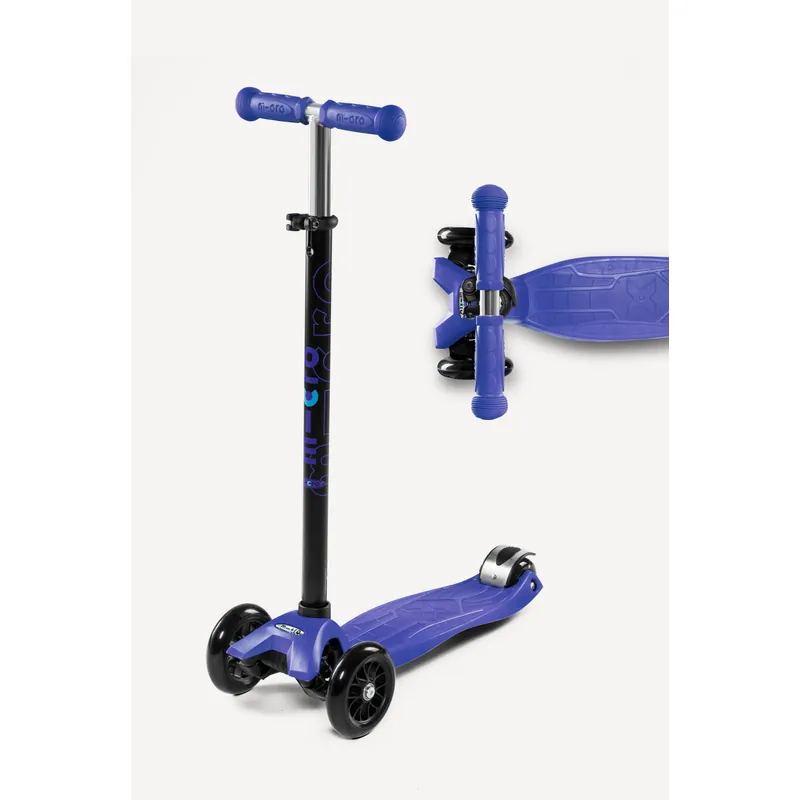
Lean-to-steer Swiss design for kids ages 5 to 12 (per Micro). The scooter is the independence vehicle, and Warehouse Deals are Micro's own discount program.
What real parents say: Wirecutter's top pick after testing 19 scooters with kids aged 1 to 12 since 2018. Sources
Honest drawback: Warehouse Deal units may have cosmetic flaws. Read Micro's terms.
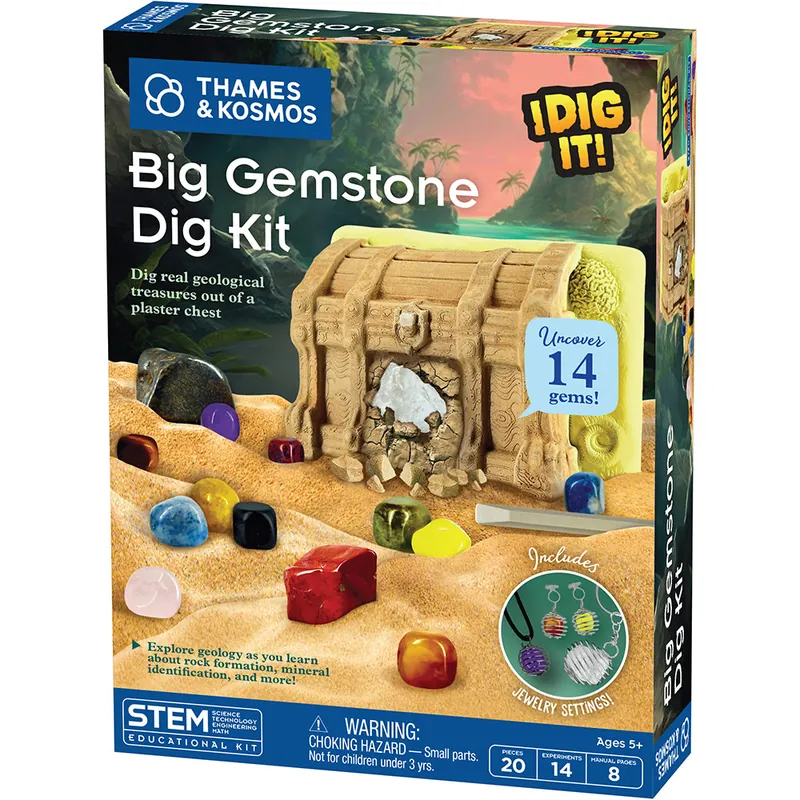
Chisel, brush and discover. An hour of absorbed, archaeologist-level focus, and it doubles as a party activity.
Honest drawback: Plaster dust gets everywhere, so do it outside or on a tray.
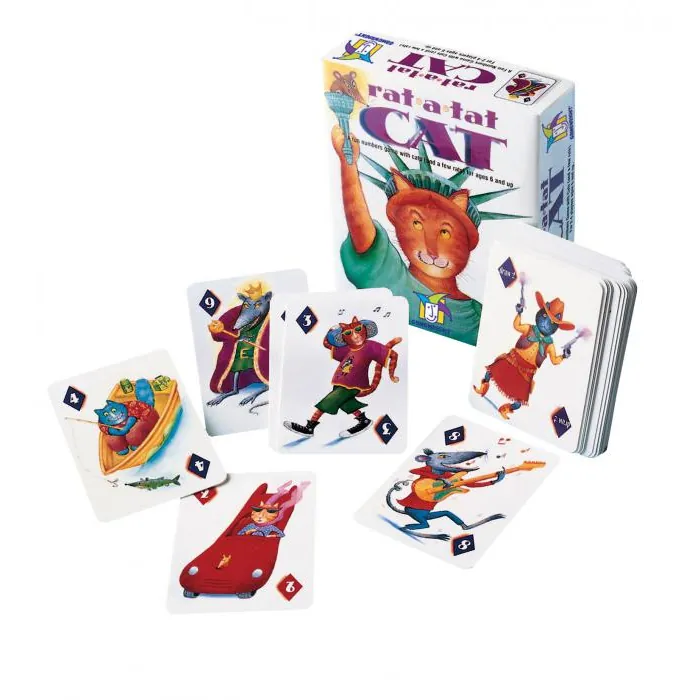
A card game that sneaks in memory and strategy. A 6-year-old can genuinely beat Grandpa, which is why it gets requested.
Honest drawback: Small card deck: take a zip bag so you don't lose cards under the restaurant booth.
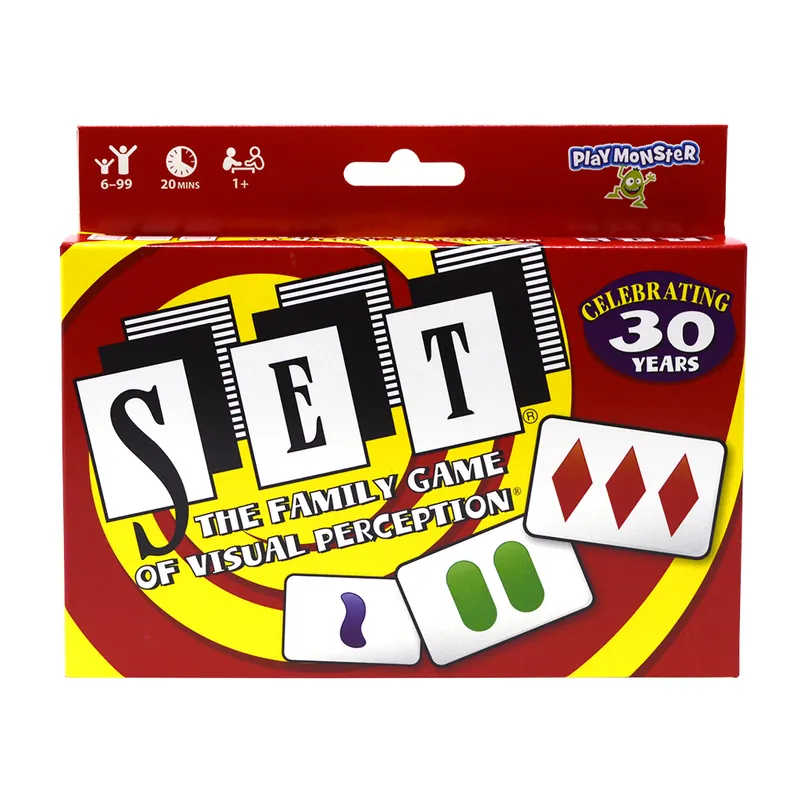
No turns, no luck: race to spot three cards that all match or all differ. Kids often beat adults, which is half the fun.
Honest drawback: Some kids find the speed frustrating at first. Play it cooperatively to start.
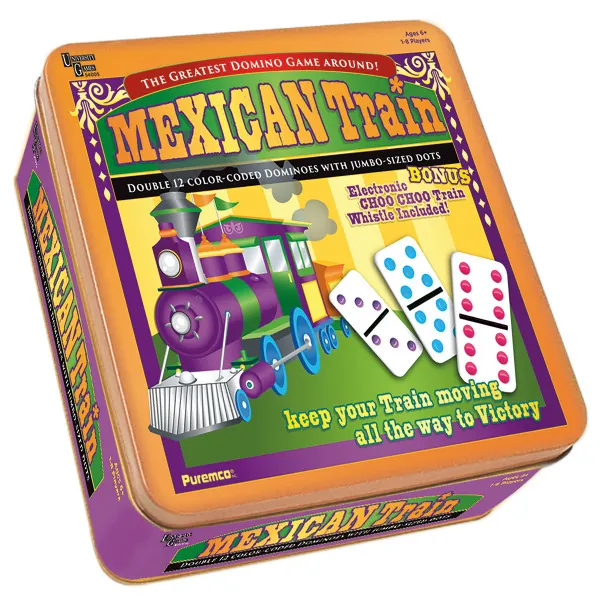
The family-night domino game grandparents already know, with big color-coded dots that are easy to read.
Honest drawback: Heavy, and games can run long with big groups.
Trust, skills and independence: a first knife, a landline of their own, a strategy game. More on this stage in our tweens guide.
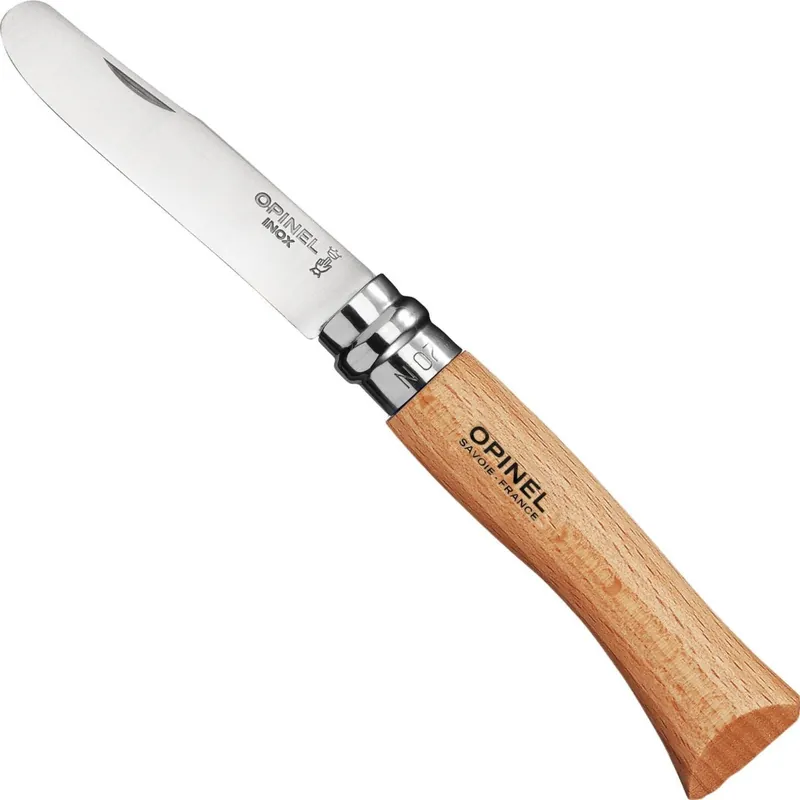
A rounded-tip, locking-blade first knife from a French maker since 1890. It's the rite-of-passage gift for a kid who's ready to whittle with you.
What real parents say: An outdoor-gear reviewer calls it simple and well made, very sharp out of the box, with a rounded tip that prevents jabbing. Sources
Honest drawback: It's a real knife: start with a whittling lesson, a cut-resistant glove and a "blood circle" rule (arm's length all around).
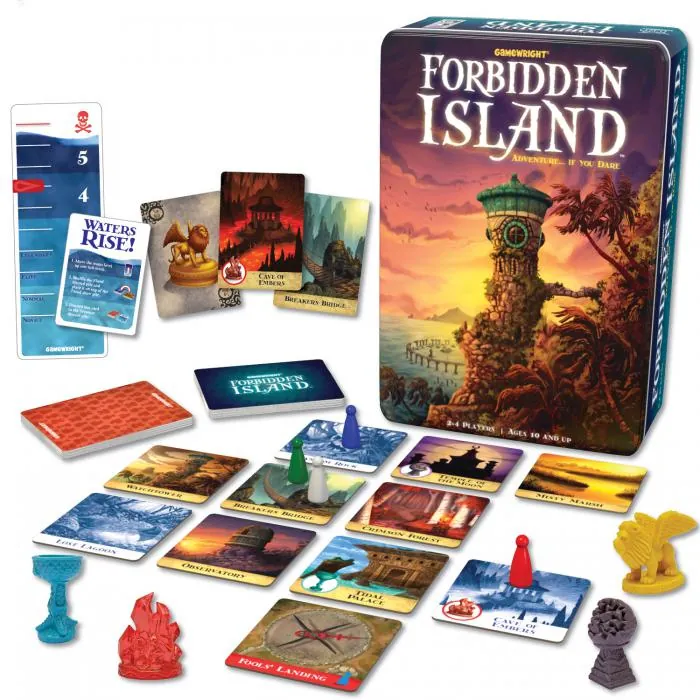
A cooperative adventure that teaches teamwork under pressure. It's a great "graduate" game for kids who loved Outfoxed.
Honest drawback: Takes about 30 minutes plus setup.
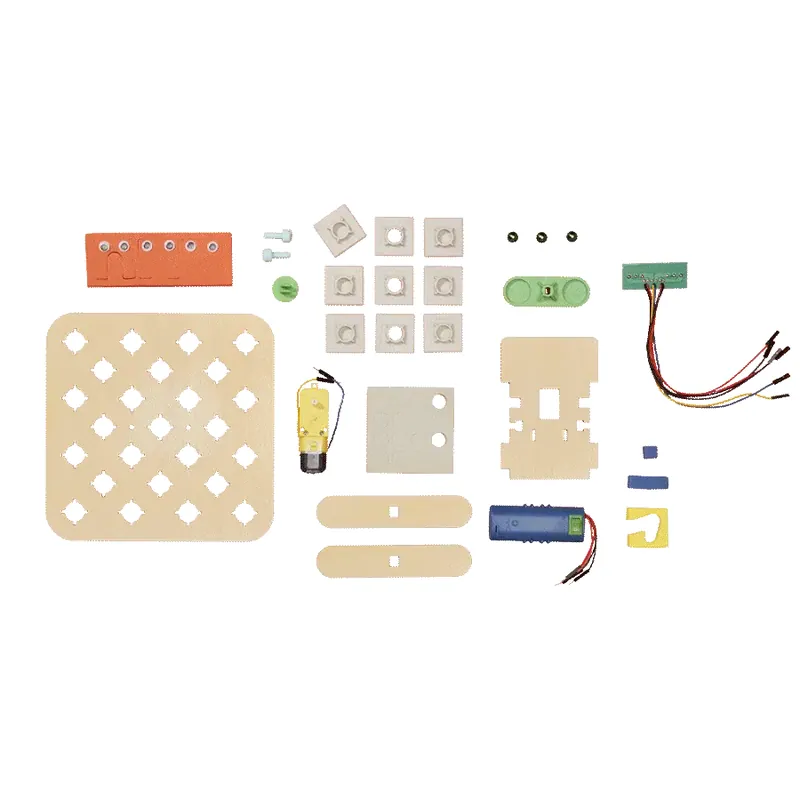
Engineering projects for big kids, with no screen required to build them. A strong answer to "my 10-year-old only wants a tablet."
What real parents say: Wirecutter tested two Tinker Crates with an editor's 9-year-old. Sources
Honest drawback: Some builds need adult help, and pieces can be fiddly.
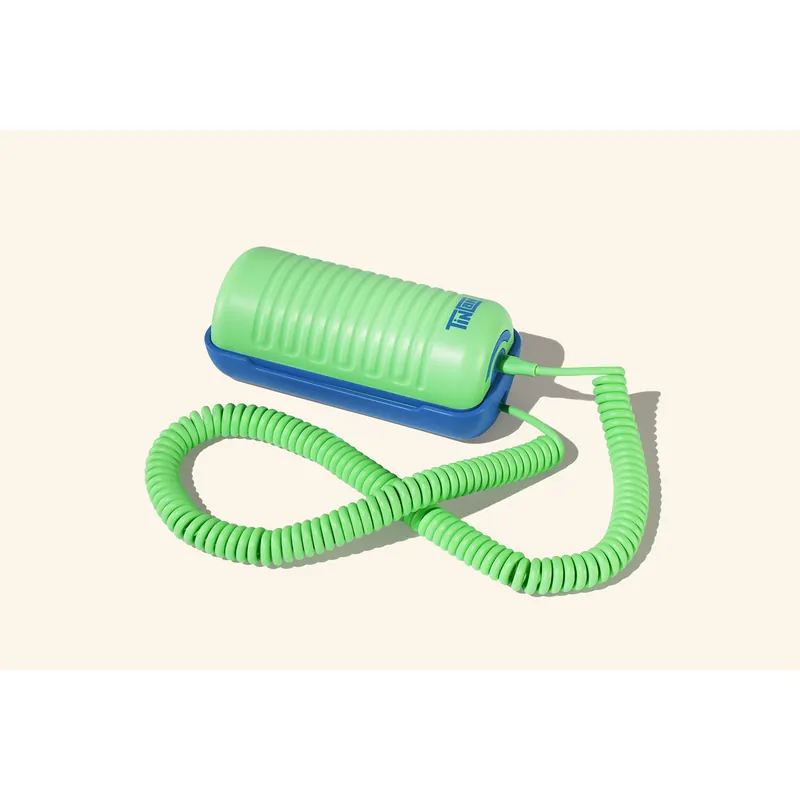
A real landline-style phone for kids to call approved friends. It brings back the "call your friend to play" independence without a smartphone.
What real parents say: A Wirecutter writer whose kids are 6 and 9 says that after months of use, they learned phone manners and set up their own playdates, and they stopped asking for a smartphone. Sources
Honest drawback: Needs a service plan. Check Tin Can's current terms.
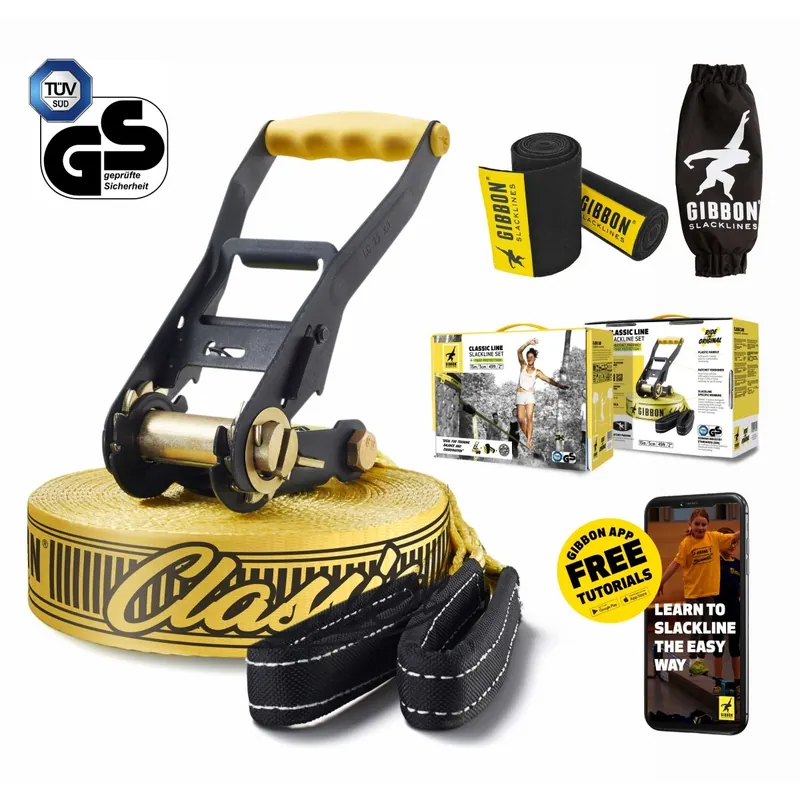
A slackline between two trees teaches focus and balance in a way nothing else does. Families end up out there together on summer evenings.
Honest drawback: Needs two sturdy trees and correct ratchet use (adult job). Start low, at knee height.
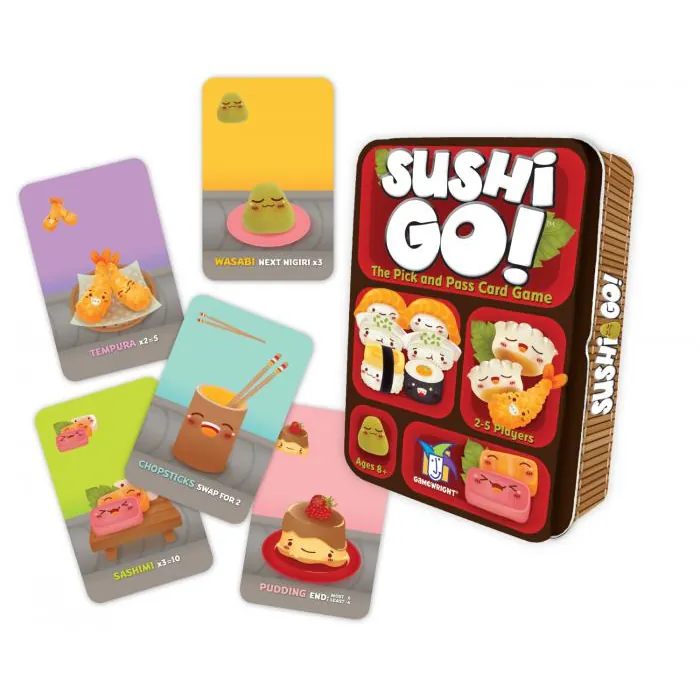
The card-drafting game families play for years, from 8 to adult. Quick rounds, cute art, and it fits in a coat pocket.
What real parents say: Recommended in Wirecutter's guide to kids' and family games. Sources
Honest drawback: Scoring needs a pencil and paper.
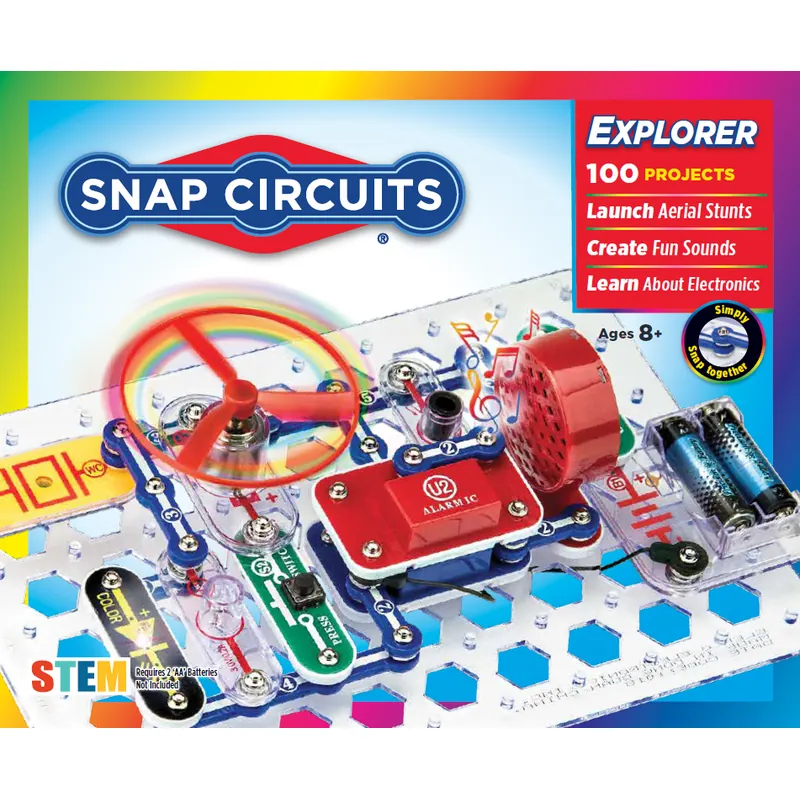
Real circuits that snap together with no tools: lights, alarms and a flying fan in the first hour, and 100 projects to grow into.
Honest drawback: Needs two AA batteries, and the small parts need a home.
Gifts that say "you're capable": cooking, photography, the outdoors. More on this stage in our teens guide.
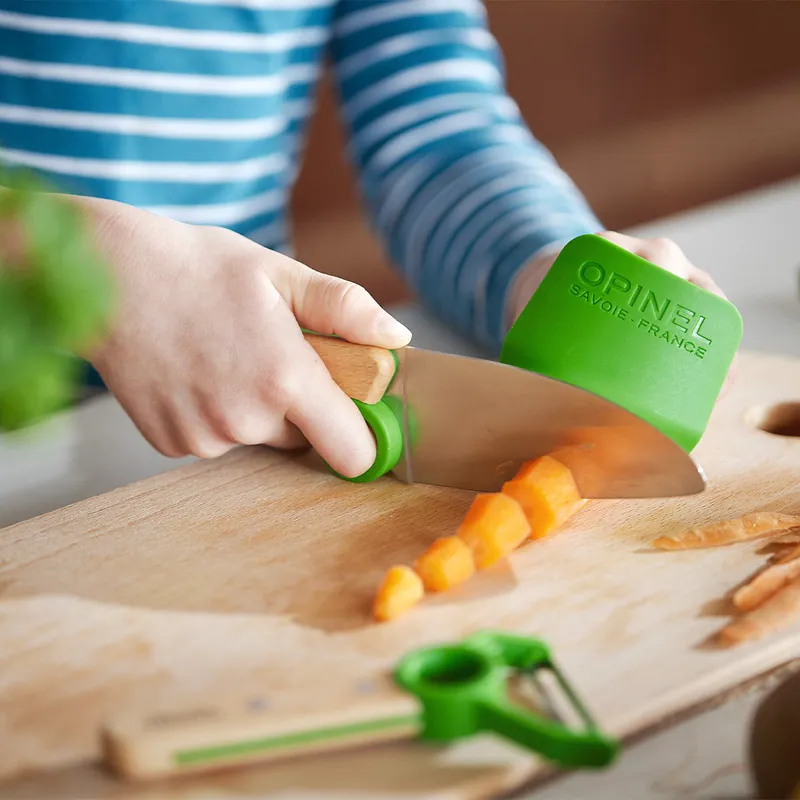
A real kitchen knife with a rounded tip and a finger ring, plus a finger guard. Kids who cook dinner with you eat dinner with you.
Honest drawback: Splurge for a kid knife, but it's a real Opinel blade and will last.
A digital camera with no screen: you click and you find out later, like film. Kids look at the world instead of the display. A hit with tweens.
What real parents say: Wirecutter found it simple and sturdy. Sources
Honest drawback: Photos need a computer to download, which is a parent job.
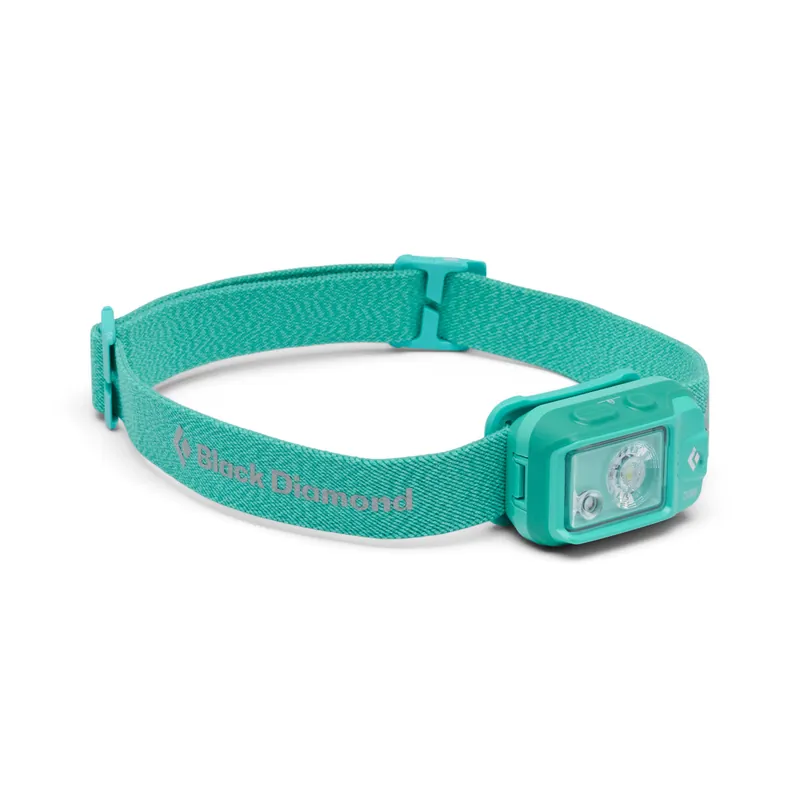
A headlamp gives a kid hands-free courage in the dark: night walks, tent reading, the backyard "owl hunt."
Honest drawback: Adult-sized strap, so tighten it down for little heads. Uses batteries; check the battery door is secure.
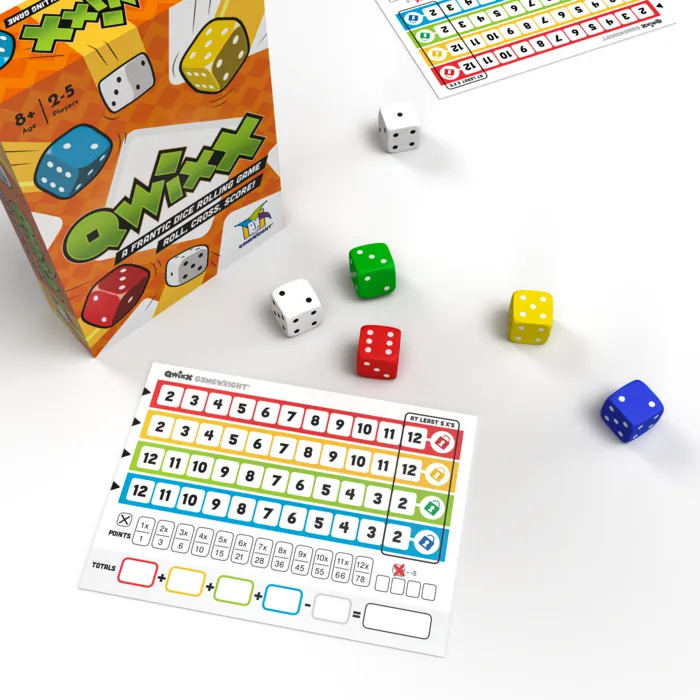
A dice game where everyone plays on every roll, so nobody is ever waiting.
Honest drawback: Dice clatter. Roll into a box lid at restaurants.
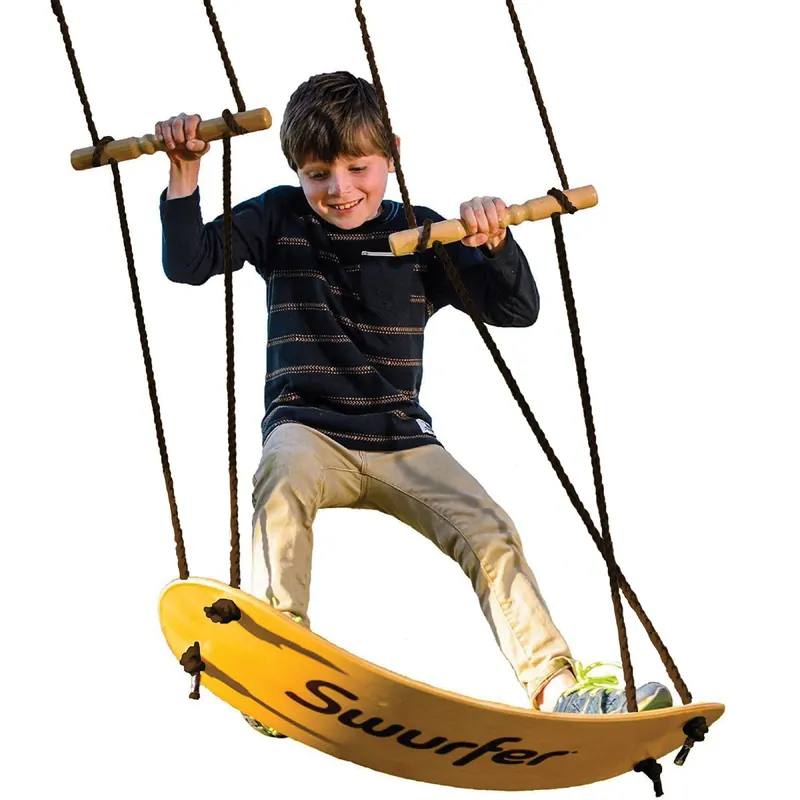
A stand-up surfboard swing for a backyard tree. It's the "big kid" thrill that 8-year-olds beg to do again and again.
Honest drawback: Needs a strong, healthy branch and correct installation. Check the tree before you hang anything.
Engineering projects for big kids, with no screen required to build them. A strong answer to "my 10-year-old only wants a tablet."
What real parents say: Wirecutter tested two Tinker Crates with an editor's 9-year-old. Sources
Honest drawback: Some builds need adult help, and pieces can be fiddly.
Four gifts per child keeps the pile sane: something they want, something they need, something to wear, something to read. Our Christmas page has ideas for each.
There's no right number. Many families like "want, need, wear, read", or one main gift plus a stocking. Kids tend to play longer with fewer toys out at once (see our playroom guide).
Follow the maker's grading. Ages on toys are mostly about safety (small parts and choking), not cleverness. We never suggest a toy for a child younger than the maker's minimum.
We link to makers directly. Some links may be affiliate links in future, and if so we may earn a commission at no cost to you. How we make money.